

Visiting a Bail Bonds Office in Tampa & What to Expect
Most people think bail is just about getting someone out. Cash down, person free. But the system sees more than that — and if you don't, you're setting yourself up for headaches. Bonds may get someone released, but they also carry legal weight and financial risk. Especially if court dates get missed or paperwork isn't squared away.
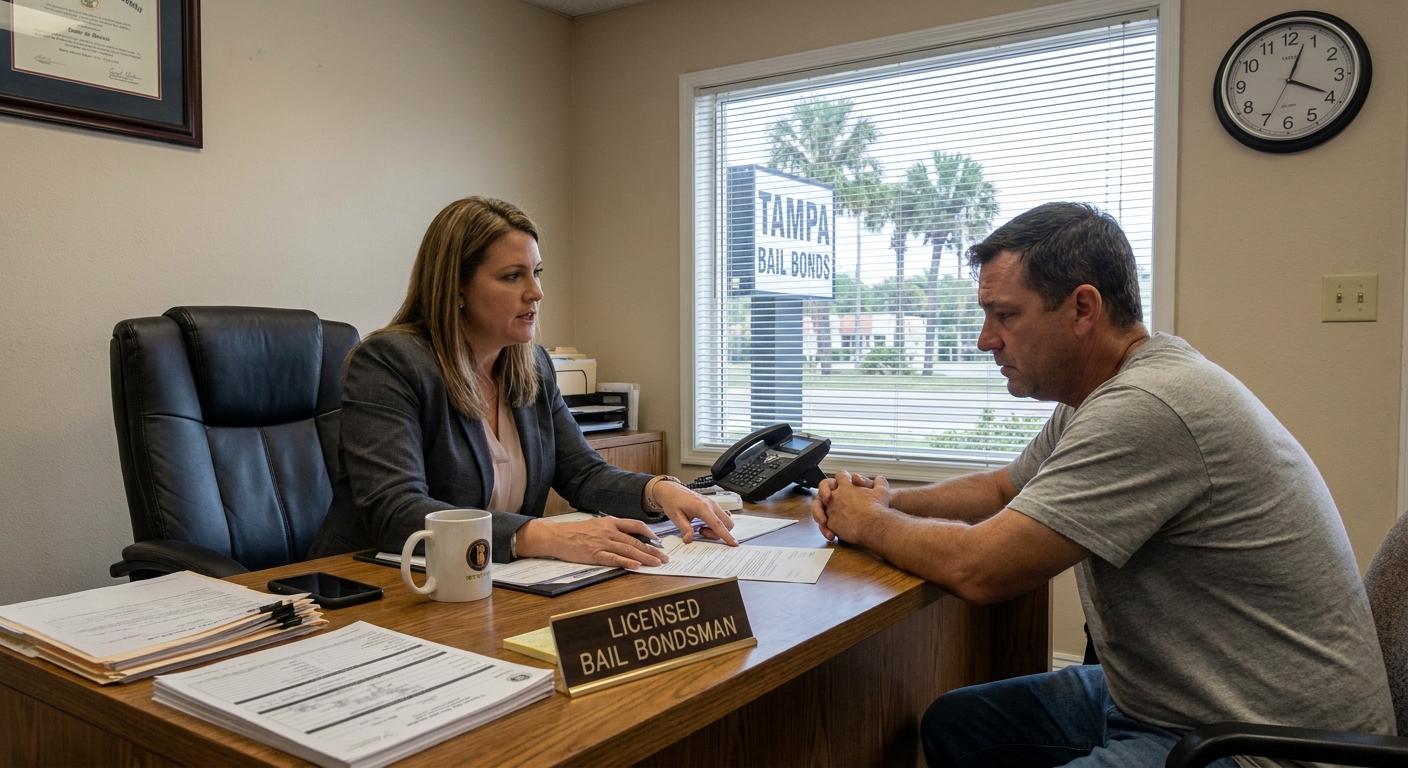
So here's the reality. If you're posting bond to help someone out, that's admirable. Just don't treat it like a quick handshake deal. Every signature matters. Every obligation sticks. And every decision should be grounded in understanding bail in Florida — not just what sounds right in the moment.
When You're Not Just Paying Money
Nine times out of ten, people walk into a bail bonds office thinking they're just covering a fee. You pay the percentage, the bondsman handles the rest — case closed. But the contract you sign? That's where the real obligation lives. You're not just a customer. You're a guarantor.
What that means is simple but serious. If the defendant skips a court date, the bondsman will come to you. And if that happens, you're on the hook for the full bail amount unless the person gets picked up fast. We've seen this play out more times than we can count. People assume showing up is a given — it's not. And when things go sideways, the co-signer feels the squeeze.
The Information You'll Need Before You Walk In
You can't just roll up to a bail bonds office with good intentions and expect results. They'll need specifics — and the more you bring, the faster things move. Start with the defendant's full legal name, date of birth, and booking number if you have it. You'll also need to know which facility they're being held at and what the charges are.
Bail amount is the big one. Sometimes the court sets it right away. Other times you'll have to wait for a hearing. Either way, the bondsman can't move forward without that number. Bring your own ID too — driver's license, state-issued card, something valid. And be ready to talk about your finances if the bail is high or collateral is required.
- Full legal name and date of birth of the detained individual
- Booking number and facility location
- Charges filed and bail amount set by the court
- Your valid government-issued identification
- Proof of income, employment, or asset documentation if collateral is involved
What Happens Once You Arrive
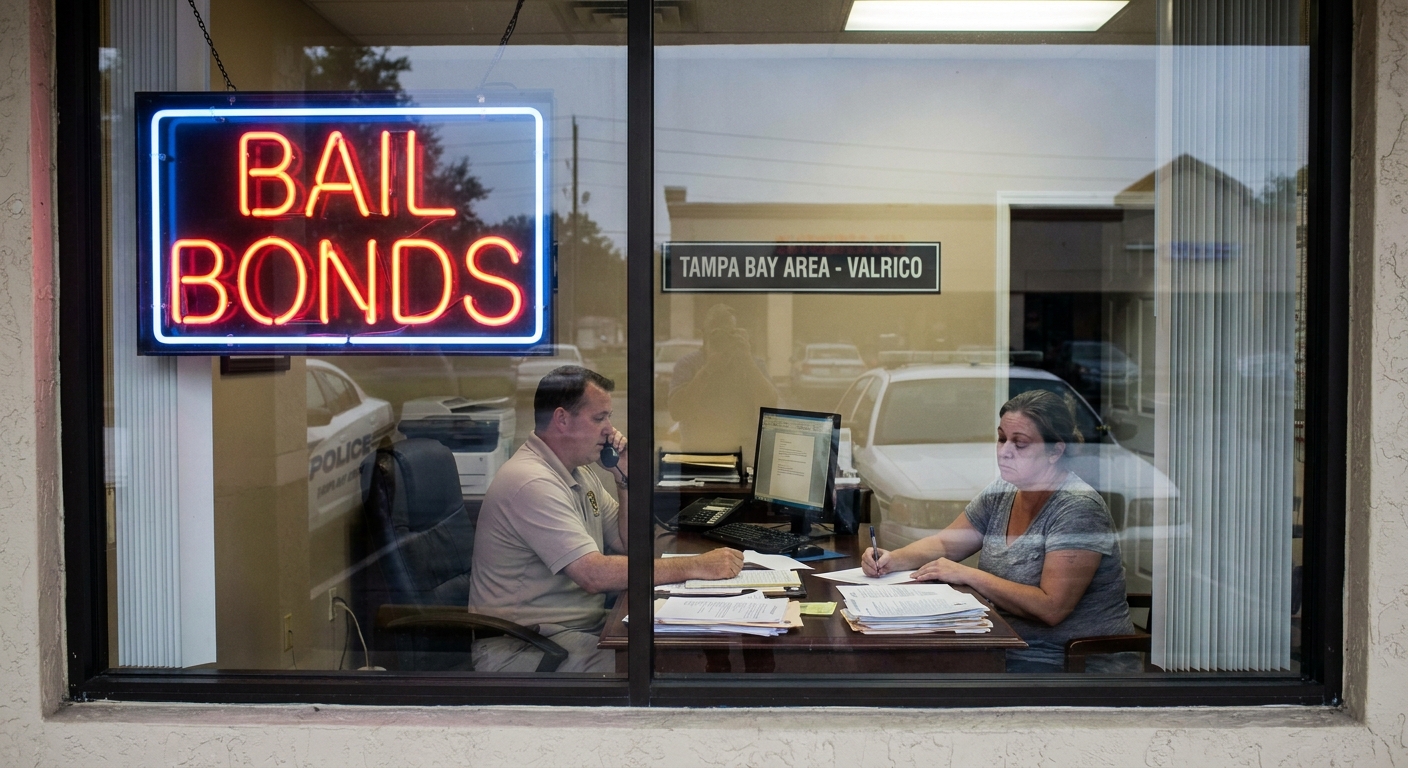
The office itself isn't flashy. Most bail bonds operations are straightforward — desks, paperwork, phones ringing. You'll meet with a licensed bondsman who's going to walk you through the bail bonds process and verify everything you brought. They'll pull up the case, confirm the bail, and explain how the bond works.
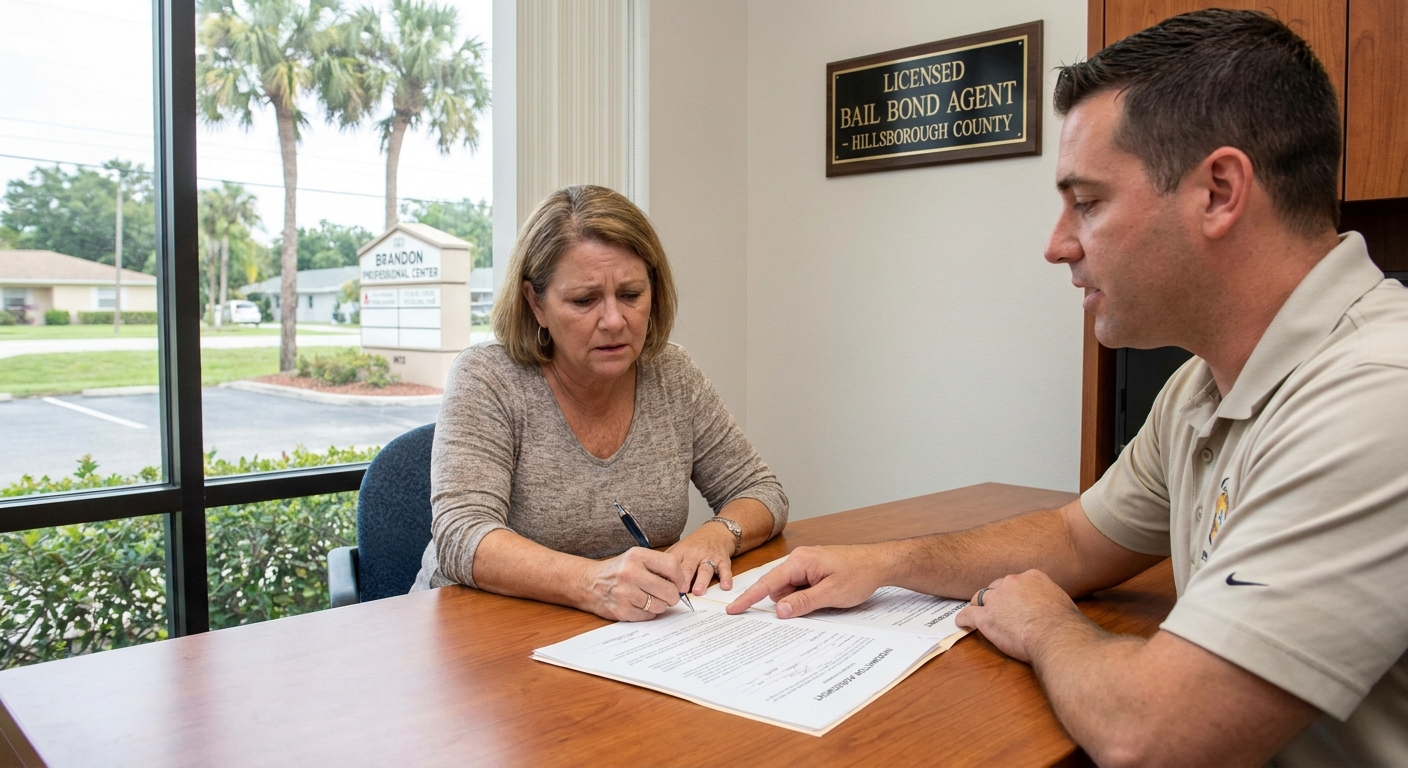
This is where you need to pay attention. The bondsman will lay out the fee — usually around ten percent of the total bail — and clarify that it's non-refundable. They'll also explain your role as indemnitor, which means you're legally responsible if the defendant doesn't show up. If collateral is part of the deal, they'll walk through what's acceptable and how it gets returned once the case closes.
Signing the Agreement Without Missing the Fine Print
Once you agree to move forward, the paperwork starts. You'll fill out an application with your contact info, employment details, and references. Then comes the contract — the part most people skim and shouldn't. That document spells out your obligations, the defendant's responsibilities, and what happens if things fall apart.
Read it. All of it. If you're putting up collateral like a car title or property deed, make sure you understand the conditions for getting it back. Ask questions if something's unclear. This isn't the time to nod along and hope for the best. The bondsman expects you to know what you're signing, and the courts won't care if you didn't.
- Complete the application with accurate personal and employment information
- Review the contract terms line by line before signing
- Clarify any collateral requirements and return conditions
- Confirm payment arrangements and due dates
- Ask about what happens if the defendant misses court
How Long Until Release Actually Happens
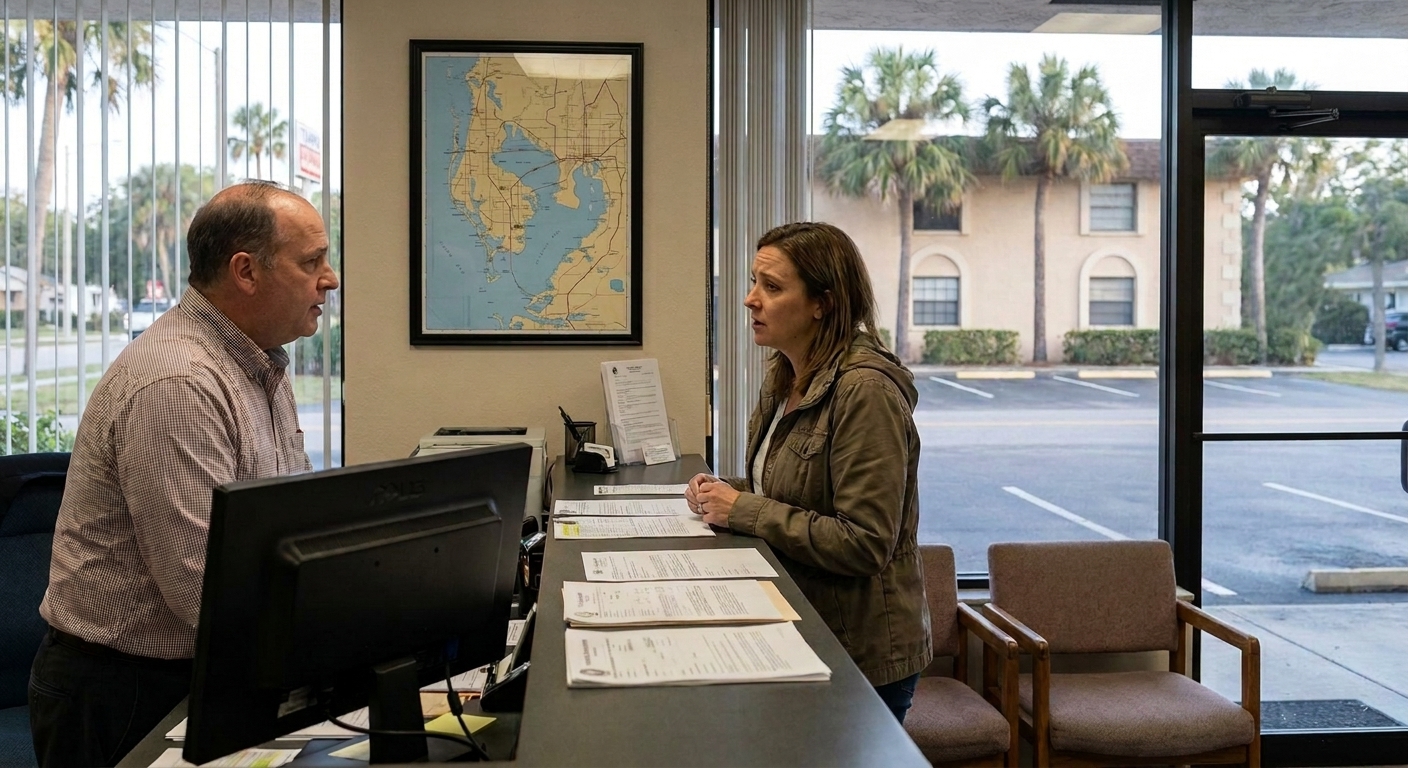
After the bond is posted, the waiting begins. The bondsman submits everything to the jail, and then it's up to the facility to process the release. That can take a few hours or stretch into a full day depending on how backed up they are. Weekends and holidays? Expect delays.
The bondsman will keep you updated, but there's only so much they can control once the paperwork's in. Patience matters here. Calling every twenty minutes won't speed things up. What will help is staying reachable in case the bondsman needs additional info or clarification.
Court Dates Aren't Optional
Once the person is out, the clock starts on their court obligations. Missing a single appearance can trigger a warrant and put the bond in default. That's when you — the co-signer — get pulled back in. The bondsman will reach out to locate the defendant, and if they can't, you're liable for the full bail amount.
We've seen families lose cars, property, and thousands of dollars because someone thought they could skip a hearing. Don't let that be you. Make sure the defendant knows every court date, has transportation lined up, and understands the consequences of no-shows. Set reminders. Show up early. Treat it like the legal responsibility it is.
- Keep a calendar of all scheduled court appearances
- Arrange reliable transportation for the defendant
- Set multiple reminders leading up to each date
- Communicate regularly with the defendant about their obligations
- Contact the bondsman immediately if there's any issue with attendance
Picking a Bondsman Who Won't Leave You Guessing
Not all bail bonds offices operate the same way. Some are transparent and professional. Others? Not so much. Look for a licensed bondsman with solid reviews and a willingness to explain the process without rushing you. Red flags include vague fee structures, pressure tactics, or reluctance to answer basic questions.
Check their availability too. Arrests don't happen on a schedule, and you want someone who picks up the phone at two in the morning if needed. A good bondsman treats you like a person, not just a signature. They'll guide you through the stress without adding to it.
- Verify the bondsman holds a valid state license
- Read online reviews and ask for references
- Confirm they offer 24/7 availability for emergencies
- Look for clear, upfront fee breakdowns
- Choose someone who answers questions without evasion or pressure
Where Most Co-Signers Slip Up
Plenty of people sign bond agreements with the best intentions and zero follow-through. They assume the defendant will handle everything, and then reality hits. The most common mistake? Not staying in contact. If you can't reach the person you bailed out, you can't keep them accountable.
Another pitfall is ignoring court notices or thinking someone else is tracking dates. That's your job as indemnitor. The bondsman isn't your babysitter. They'll help, but the responsibility to ensure compliance falls on you. Treat it seriously or risk paying the price — literally.
- Failing to maintain regular contact with the defendant
- Assuming the bondsman will track all court dates for you
- Not reading the contract thoroughly before signing
- Underestimating the financial risk of a bond default
- Waiting until a problem arises instead of staying proactive
Why Professional Guidance Beats Guesswork
If you're unsure about any part of the bail process in Tampa, don't wing it. A reputable bondsman will answer your questions and walk you through every step. They've handled thousands of cases and know where things typically go wrong. Leaning on that experience keeps you from making costly mistakes.
This isn't just about getting someone out today. It's about making sure you don't end up in financial or legal trouble tomorrow. The right Tampa bail bond agent doesn't just post bail — they help you protect yourself while doing the right thing for someone you care about.
Let’s Navigate Bail Together
We know how overwhelming the bail process can feel, but you don’t have to face it alone. Let’s work together to make sure every step is handled with care and clarity. If you have questions or need immediate help, call us at 813-626-1901. When you’re ready to move forward, schedule an appointment and let’s get your loved one home safely and responsibly.
‹ Back
Recent Posts
-
Can You Change Bail Bond Companies After an Arrest in Valrico?
October 19, 2026
-
Why Would a Judge Deny Bail in Valrico?
October 5, 2026
-
Can You Use a Bail Bondsman in Valrico for a Misdemeanor Arrest?
September 21, 2026
-
Can a Bail Bond in Brandon Be Revoked After Release?
September 7, 2026
-
Who Can Sign for a Bail Bond in Brandon?
August 24, 2026