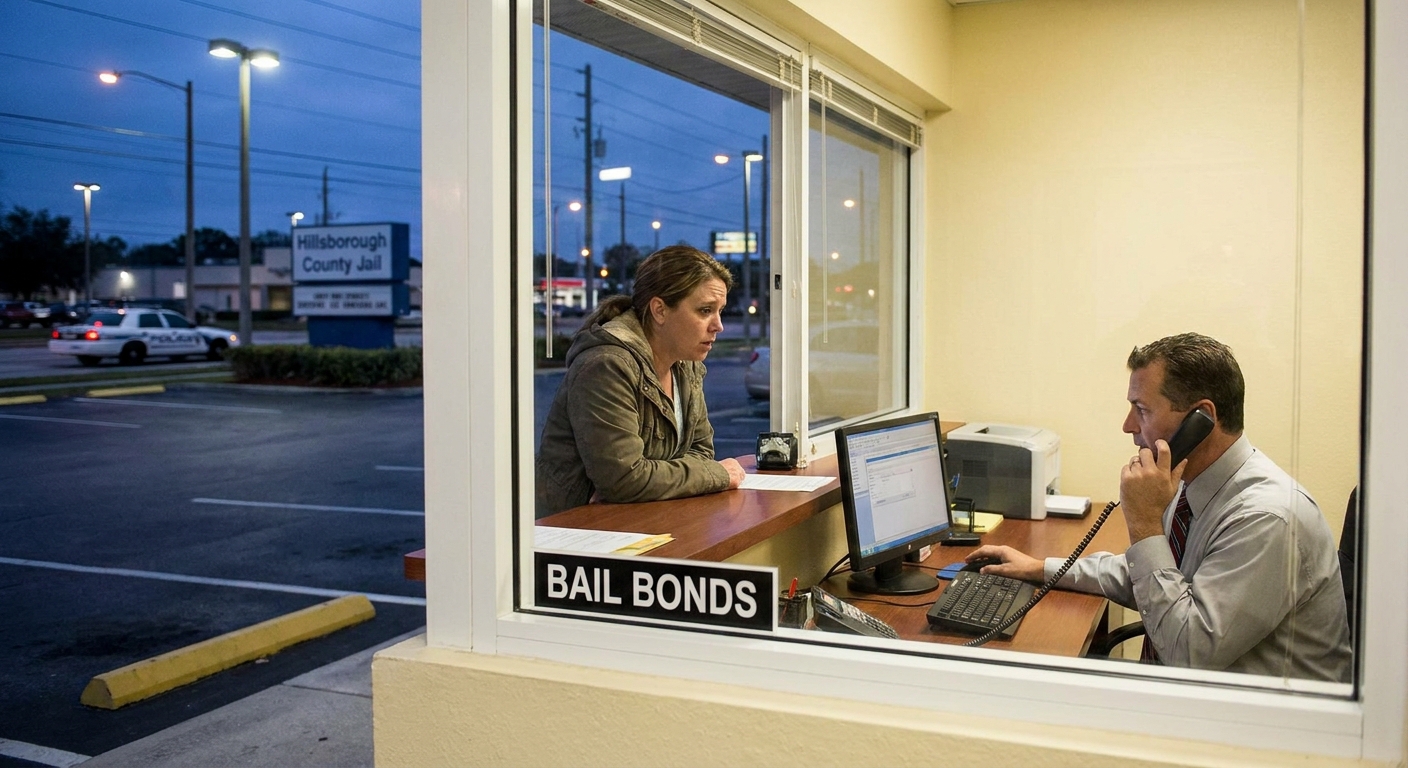

What Happens During the Bail Bond Signing Process in Tampa?
Most people think posting bail is just about money changing hands. But there's a lot more happening behind that signature — and if you walk in unprepared, you're going to feel it. The bond itself might get your loved one out, but the paperwork, the guarantees, and the fine print? Those stick around long after the jail doors open. Especially if court dates get missed or conditions get ignored.
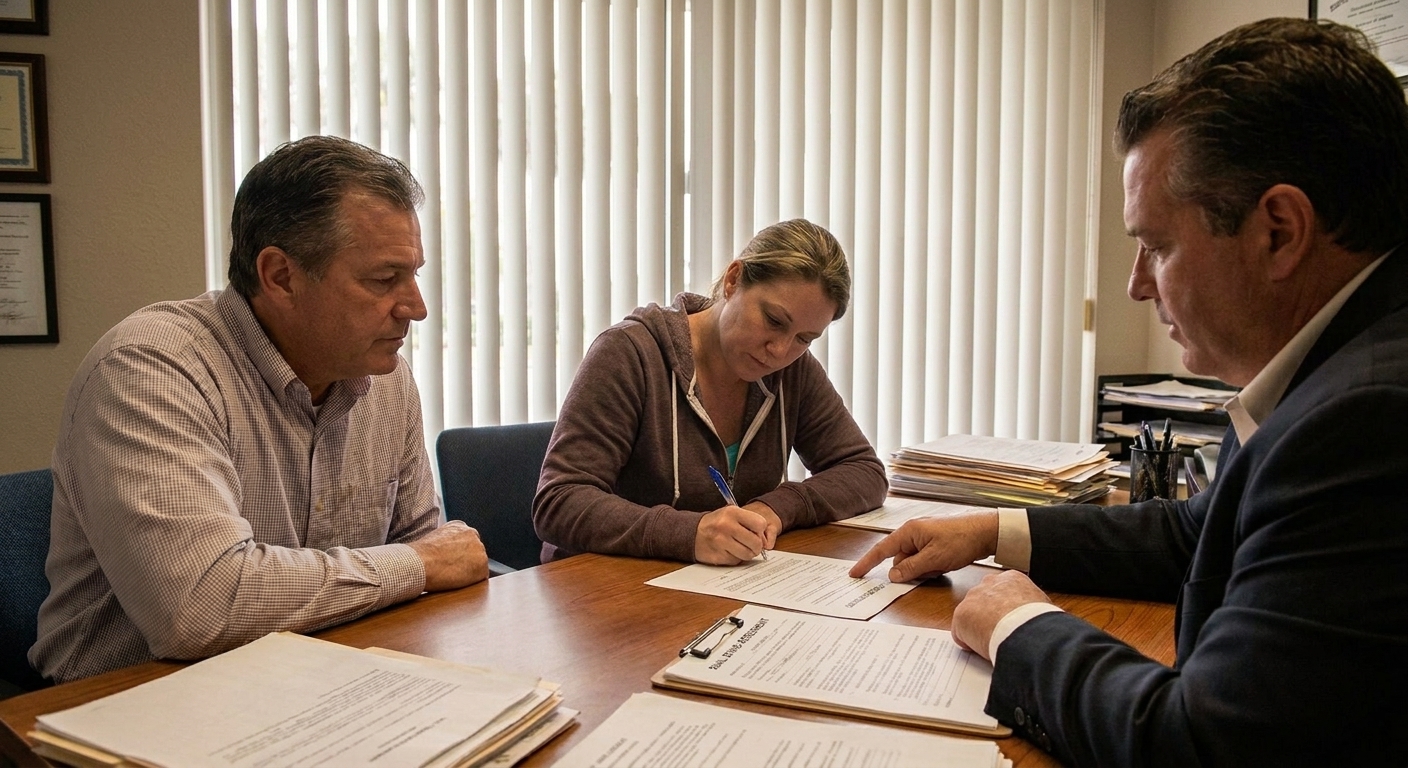
So here's what you need to know. If you're stepping up to sign for someone's release, that's admirable. Just don't treat the contract like a formality. Every clause carries weight. Every obligation needs follow-through. And every decision you make should be rooted in what happens next — not just what feels urgent right now.
When You First Reach Out to an Agent
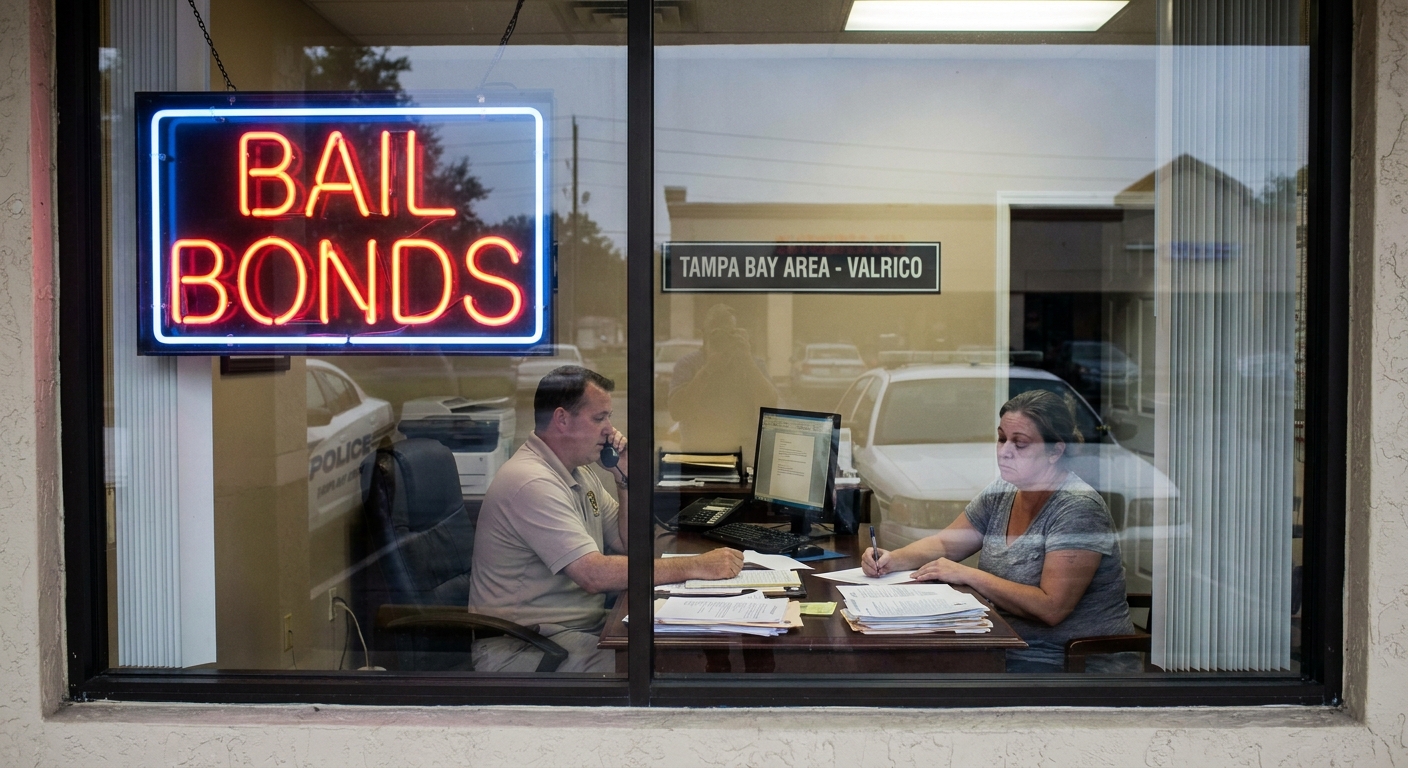
The process kicks off the moment you pick up the phone. A Tampa bail bond agent is going to ask for specifics — full name, booking number, charges filed, bail amount set by the court. They're not just being nosy. They're sizing up risk, running numbers, and figuring out whether they can move forward.
This is also when you'll get a sense of whether the agency is legit or just fast-talking their way through a crisis. A good agent explains what's possible, what's required, and what could go wrong. A bad one rushes you into signing before you've asked the hard questions.
The Terms Get Laid Out Before Anything Moves
Once the agent has the details, they'll walk you through the agreement. That includes the premium — usually ten percent of the total bail, non-refundable no matter what happens. It also covers who's on the hook if things go sideways. That person is called the indemnitor, and their responsibility doesn't end at the jailhouse door.
If the defendant skips a hearing or violates release conditions, the indemnitor is liable. Not just for lost time or frustration — for the full bail amount. That's the part most people miss. You're not just helping someone get out. You're vouching for their follow-through with real consequences attached.
Filling Out the Application Isn't Optional
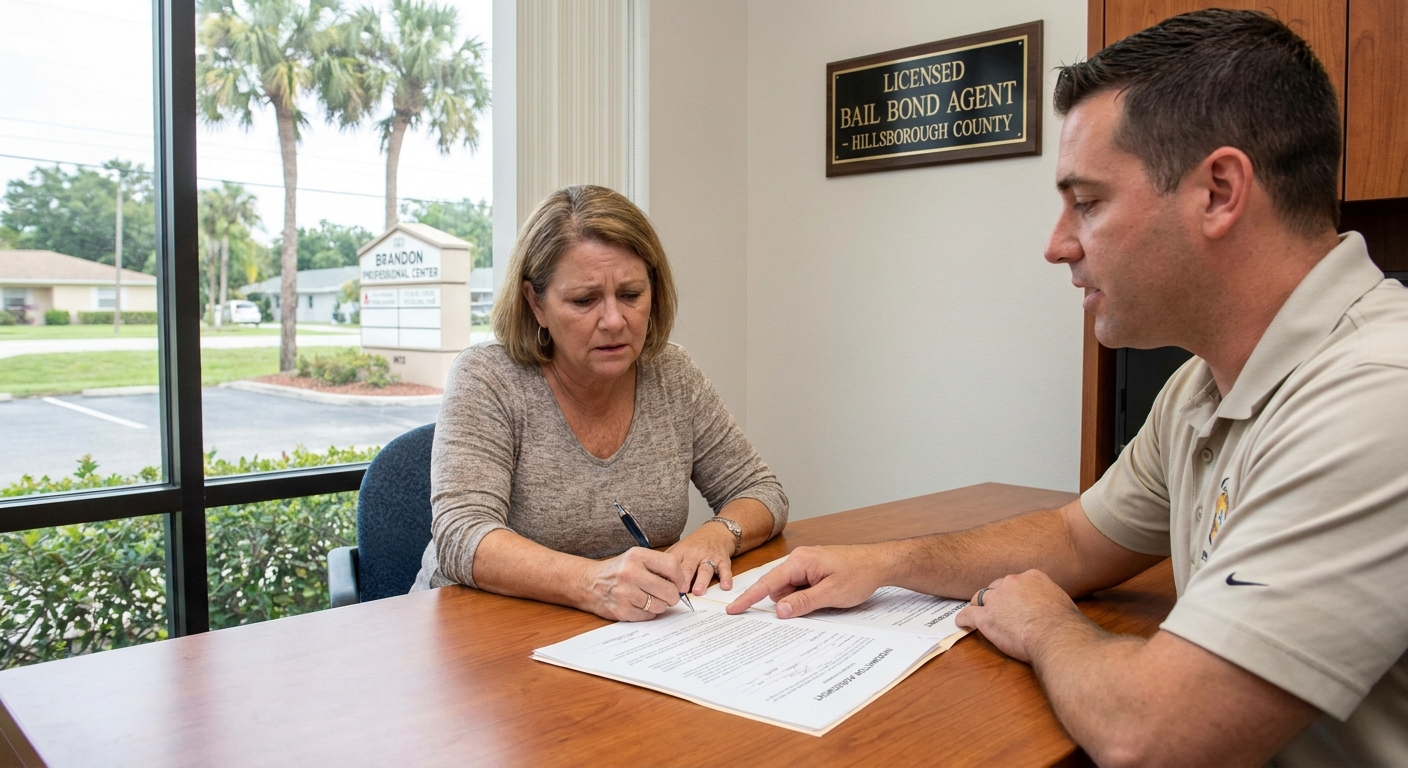
Next comes the paperwork. The bail bond application collects personal data on both the defendant and the indemnitor. Addresses, employers, references, financial standing — it all goes in. This isn't busywork. It's the foundation of a legally binding contract.
The application also spells out what happens if the defendant doesn't show up. Forfeiture clauses, collateral requirements, payment schedules — it's all there in black and white. If you skim through this part, you're setting yourself up for a nasty surprise later.
Collateral Comes Into Play When the Risk Is High
Depending on the bail amount and the charges involved, the agent may ask for collateral. That could mean property, vehicles, jewelry, or anything else with verifiable value. It's not a punishment. It's insurance.
If the defendant complies with every condition and shows up to every hearing, the collateral gets returned. If they don't, it gets forfeited. Simple as that. The agent will explain what qualifies and how it's documented, but the bottom line is this — don't put up anything you're not willing to lose. Understanding why bail bond collateral might be required can help you prepare for what the agent might request.
Reviewing and Signing Means You're All In
Once everything's assembled — application, collateral, payment — it's time to review the contract. This is the moment where most people just flip to the signature line and scribble their name. Big mistake.
Read every section. Ask about anything that doesn't make sense. Clarify what "failure to appear" actually means and what your liability looks like in different scenarios. The agent should be willing to walk through it all without rushing you. If they're not, that's a red flag.
- The premium is non-refundable, even if charges get dropped
- You're responsible for ensuring court appearances, not just hoping they happen
- Collateral can be seized if the defendant violates terms
- You may be required to pay the full bail amount if the bond is forfeited
- Any changes to contact information must be reported immediately
Posting the Bond and Waiting for Release
After the contract is signed and the premium is paid, the agent posts the bond with the jail or court. Release timelines vary — sometimes it's a few hours, sometimes it's a full day. It depends on how backed up the facility is and how quickly paperwork moves through the system.
During this waiting period, the defendant will be processed out. They'll receive instructions on reporting requirements and court dates. Don't assume they'll remember everything. Follow up, get copies of the paperwork, and set reminders. Understanding how long the bail process takes can help set realistic expectations for release.
What Happens After They Walk Out
Release isn't the finish line. It's the starting gun. The defendant has to comply with every condition the court sets — check-ins, travel restrictions, substance testing, whatever's on the list. Miss one, and the bond can be revoked.
The indemnitor also has ongoing duties. You're expected to know where the defendant is, confirm they're attending court, and report any issues to the agent. If the defendant skips town or stops responding, you're the first person who's going to get the call. And the first one who's going to feel the financial hit.
- Track every court date and set multiple reminders
- Stay in regular contact with the defendant
- Report any address changes or travel plans to the agent
- Keep all paperwork in one place, easily accessible
- If something feels off, contact the agent immediately
Where People Lose the Plot
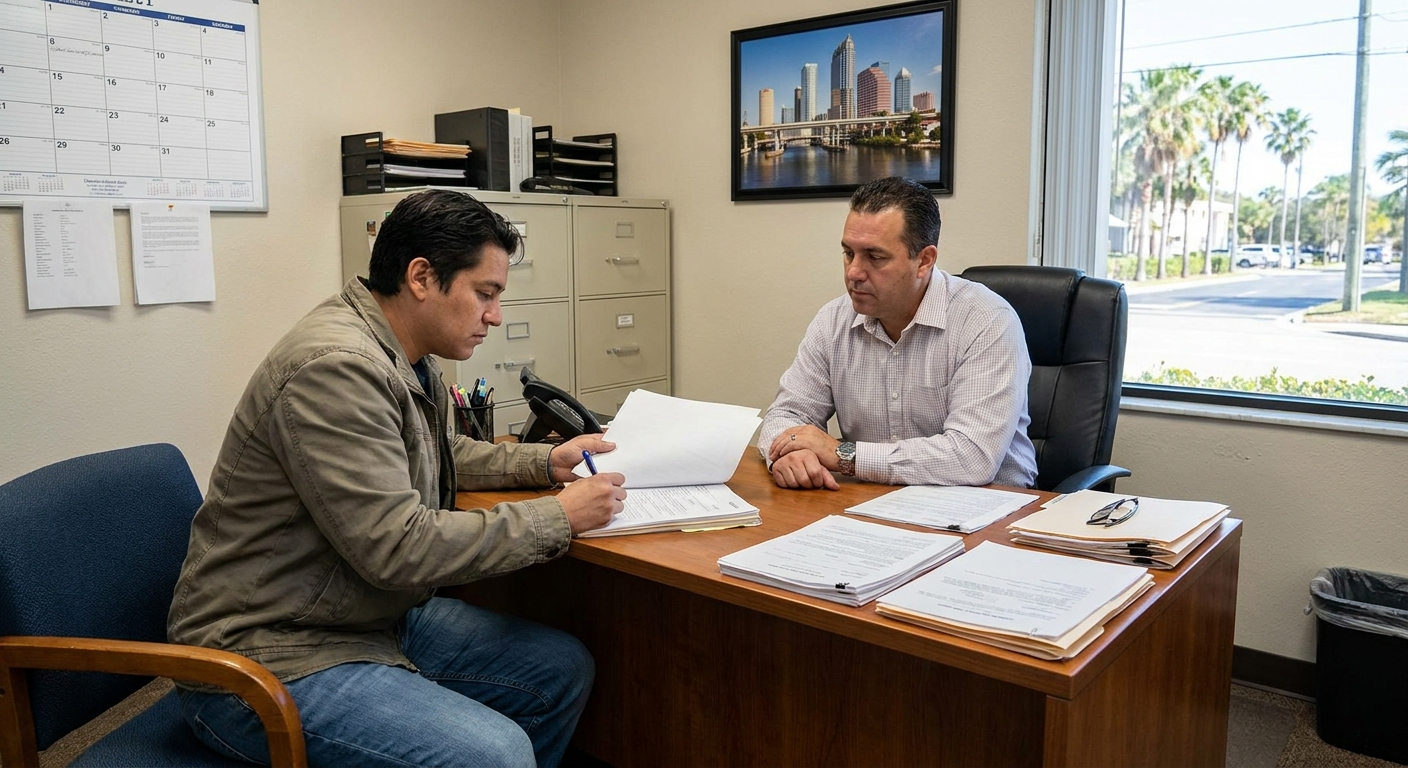
Most indemnitors think their job ends when the defendant leaves jail. Wrong. The real work starts there. Missing a court date, even by accident, triggers a forfeiture process that's hard to reverse. And trying to track someone down after they've ghosted? That's a nightmare no one wants.
Another common mistake is assuming verbal promises count for anything. They don't. If the defendant swears they'll show up or says they'll check in weekly, get it in writing or don't count on it. The bond agreement is the only document that matters when things go wrong.
- Don't rely on the defendant's word alone
- Keep records of all communication and check-ins
- Know the penalties for non-compliance before you sign
- Understand that forfeiture is not negotiable without court approval
- Get legal advice if the situation gets complicated
When Court Dates Get Missed
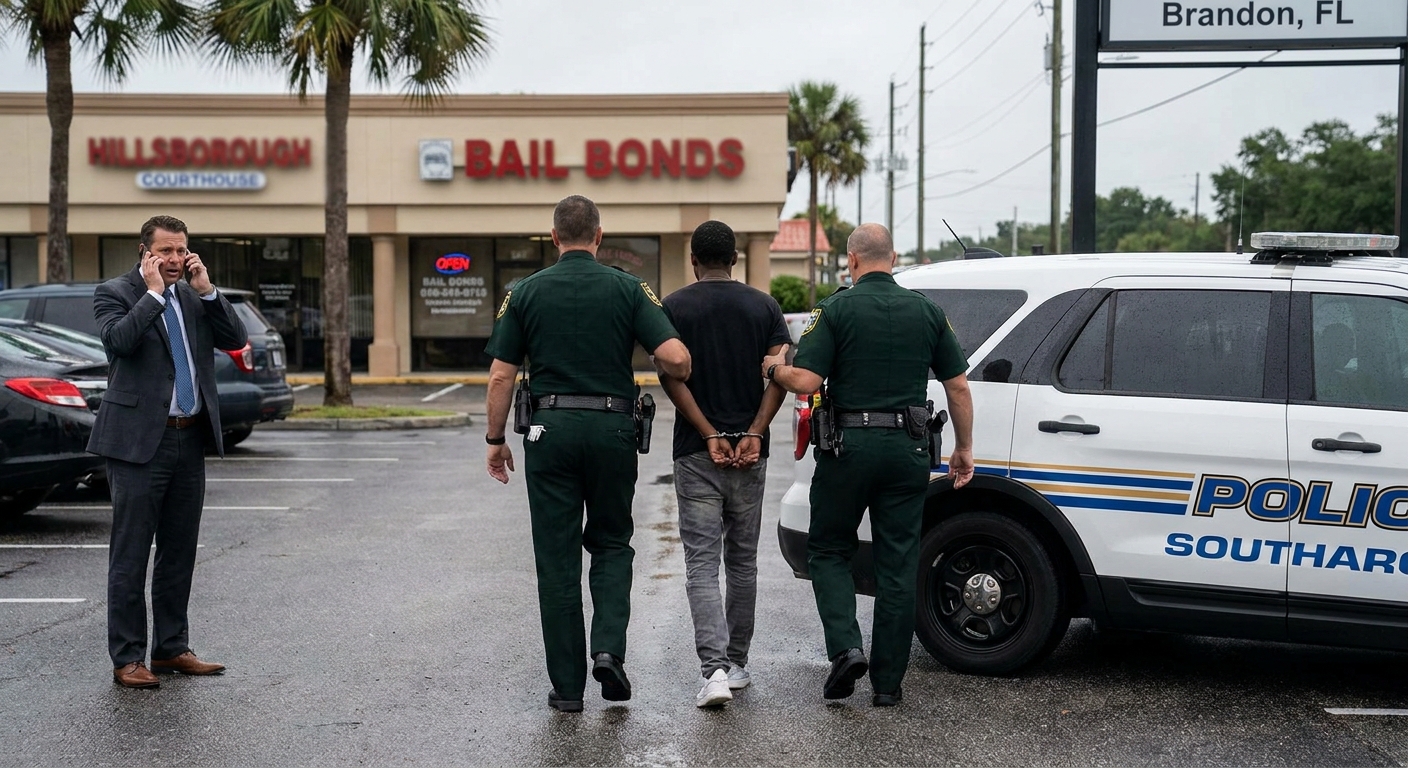
If the defendant doesn't show up, the clock starts ticking. The court issues a bench warrant, and the bond goes into forfeiture. The agent will reach out to you immediately, and you'll have a limited window to fix it — sometimes just days.
Your options at that point are limited. You can try to locate the defendant and get them into custody voluntarily. You can hire a recovery agent. Or you can accept that the collateral is gone and the full bail amount is now your problem. None of these are good, but some are worse than others. Learning about missing a court date after bail can help you understand the serious consequences involved.
- Forfeiture can happen within 24 to 48 hours
- You may be able to request a court hearing to explain the absence
- Recovery agents charge fees on top of everything else
- Collateral seizure happens fast once the court orders it
- There's no reversing a forfeiture without the defendant's cooperation
Why Documentation Saves You Every Time
Want to protect yourself? Keep records of everything. Signed contracts, receipts, court notices, text messages confirming check-ins — all of it. If the defendant or the agent disputes something later, your paper trail is the only thing that matters.
If the court questions whether the defendant was properly notified, your documentation proves it. If the agent claims you didn't report a change of address, your emails show otherwise. Without records, you're just hoping people remember things the way you do. That's not a strategy.
- Save every email and text related to the bond
- Make copies of all signed documents
- Document every court date and attendance confirmation
- Keep a log of check-ins and communications with the defendant
- Store everything digitally and in hard copy
Putting Your Name on the Line Means Something
Signing for a bail bond isn't a small favor. It's a financial and legal commitment that can follow you for months or longer. The bail bond process in Tampa is straightforward if you know what you're walking into — but it's unforgiving if you don't. Every signature carries risk. Every promise from the defendant should be backed by action. And every step you take should be grounded in what could go wrong, not just what you hope will go right.
We've seen families navigate this process smoothly, and we've seen others get buried by it. The difference isn't luck. It's preparation, communication, and knowing when to ask for help before things spiral. If you're stepping up to post bond, make sure you're ready for what comes next — not just what happens today.
Let's Navigate the Bail Bond Process Together
We understand how overwhelming it can feel to sign for a bail bond, especially when every detail matters. That's why we're here to guide you through each step, answer your questions, and help you avoid costly mistakes. If you're ready to move forward or just need some honest advice, give us a call at 813-626-1901. When you're ready to take the next step, schedule an appointment and let's work through this together.
‹ Back
Recent Posts
-
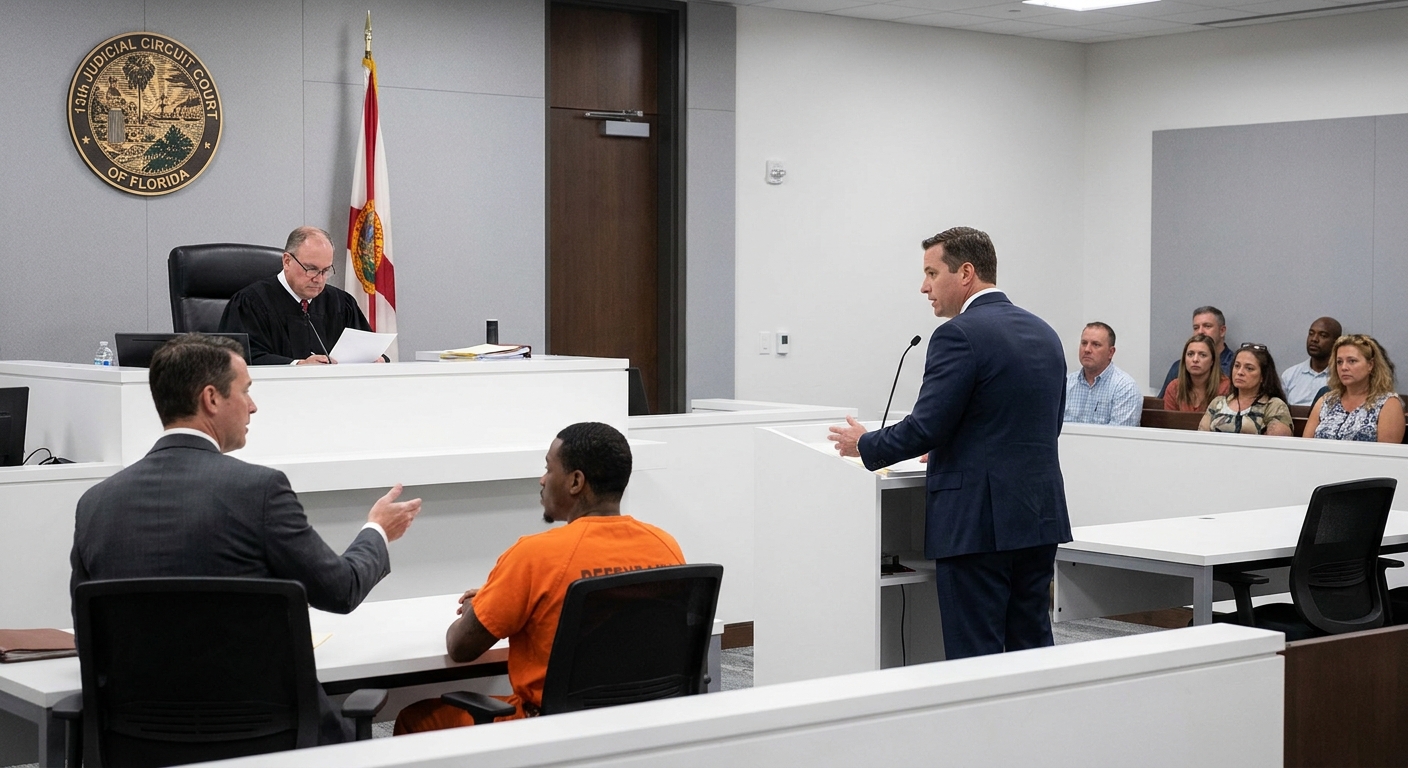
Why Would a Judge Deny Bail in Valrico?
October 5, 2026
-
Can You Use a Bail Bondsman in Valrico for a Misdemeanor Arrest?
September 21, 2026
-
Can a Bail Bond in Brandon Be Revoked After Release?
September 7, 2026
-
Who Can Sign for a Bail Bond in Brandon?
August 24, 2026
-