

How Bail Bonds Work for Repeat Arrests in Tampa
Most people think bail is just about getting out of jail. Pay the money, walk through the doors, show up to court. But when you've got more than one arrest on your record, the system sees you differently — and if you don't understand that, you're walking into trouble blind. Repeat arrests aren't treated like first offenses. The bond amount changes. The conditions tighten. And sometimes, bail gets denied altogether.

Here's what matters. If you're staring down another booking in Tampa, you need to know what the court's going to throw at you — and what the bondsman expects before they'll take the risk. Every arrest leaves a mark. Every missed court date compounds it. And every decision you make from here forward needs to be grounded in how the judge and bond agency view your history, not just how urgent it feels in the moment.
When Judges See Your Name Twice
A second arrest tells the court something. Maybe you didn't learn the first time. Maybe you're a flight risk. Either way, the judge isn't going to treat you like someone who accidentally made a mistake. They'll look at your file, weigh the charges, and decide whether letting you out is worth the gamble.
That's why bail amounts climb for repeat offenders. The court wants insurance that you'll actually appear, and money talks louder than promises. If you've skipped a hearing before or racked up charges while already out on bond, expect the number to reflect that. We've seen bail set high enough to keep people locked up simply because their record painted them as unreliable.
What the Bond Agency Needs This Time
Bail bondsmen aren't charities. They're businesses that assume risk in exchange for a fee. When you've been arrested multiple times, that risk goes up — and so do their requirements. You'll still pay the standard premium, usually ten percent of the bond amount, but don't be surprised if they ask for more.
Here's what agencies typically require from repeat offenders:
- Collateral like property, vehicles, or other assets to secure the bond
- A co-signer with stable income and clean credit to guarantee your appearance
- Proof of employment or community ties to show you're not planning to vanish
- Compliance with stricter check-in schedules or monitoring conditions
- Full disclosure of prior arrests, pending cases, and any outstanding warrants
The Conditions Get Tighter
Release doesn't mean freedom when you're a repeat offender. Judges attach conditions, and violating even one can land you back in custody faster than you think. Electronic monitoring, curfews, travel restrictions, mandatory check-ins — these aren't suggestions. They're orders.
Some defendants assume they can bend the rules a little. Maybe skip a check-in or leave the county for a weekend. That's the fastest way to get your bond revoked and a warrant issued. The court doesn't care about your reasons. They care about compliance. And if the bond agency catches wind that you're violating terms, they'll pull the bond themselves before the judge even gets involved.
When Bail Gets Denied Outright
Sometimes the judge looks at the file and says no. No bail. No release. Just a court date from inside a cell. This happens more often than people realize, especially when repeat arrests involve violence, weapons, or new crimes committed while already out on bond.
If you're deemed a danger to the community or a flight risk, the court won't gamble on your return. And once bail is denied, there's no bondsman who can help you. You're stuck until trial, which could be weeks or months away. That's why understanding the severity of your charges and the judge's perspective matters before you even step into that courtroom.
What Happens If You Skip
Miss a court date and the consequences multiply. The bond gets forfeited. The bondsman loses money. And they will come looking for you. Skip tracers, revocation of collateral, lawsuits against co-signers — it's not dramatic TV stuff. It's standard procedure.
Here's what skipping bail triggers for repeat offenders:
- An immediate bench warrant for your arrest
- Additional criminal charges for failure to appear
- Forfeiture of the full bond amount and any collateral posted
- Legal action against anyone who co-signed your bond
- Higher bail or outright denial if you're arrested again
How to Improve Your Odds
You can't erase your record, but you can control how you approach the process. Showing up prepared, demonstrating ties to the community, and proving you've got legal representation all signal to the court that you're taking this seriously. Judges notice when defendants have jobs, family support, and a plan to stay compliant.
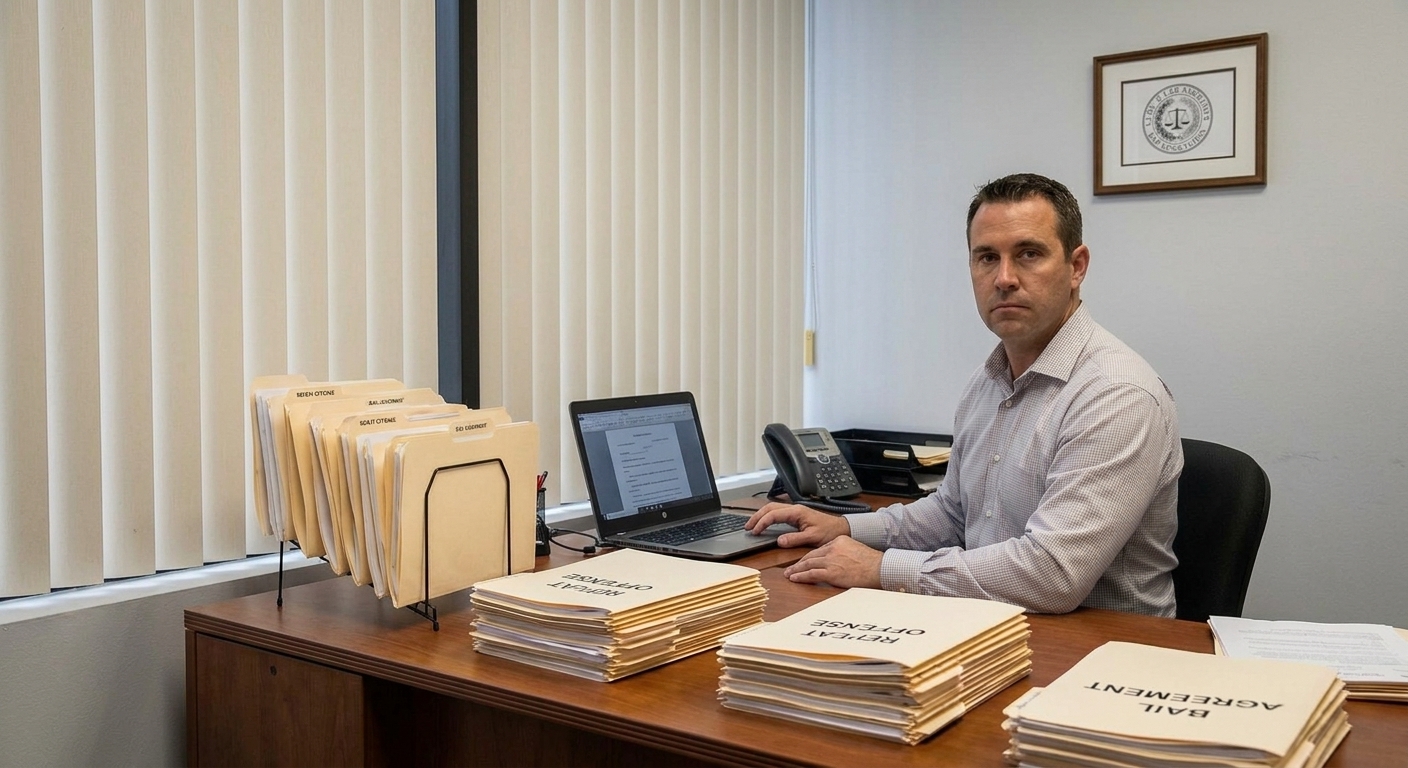
Work with a bail bondsman in Tampa who understands Tampa's court system and has handled repeat cases before. Don't try to hide previous arrests or downplay pending charges. Transparency builds trust, and trust makes the bond agency more willing to work with you. If you're required to provide bail bond collateral or a co-signer, line that up before you even contact the bondsman. Speed matters when you're trying to get released.
The Legal Side Needs Attention Too
Getting out on bond is only part of the equation. You still have to defend yourself in court, and a repeat arrest makes that harder. Prosecutors will point to your history. Judges will weigh it during sentencing. And without solid legal representation, you're fighting uphill from the start.
Hire an attorney who knows how to navigate repeat offense cases and can advocate for reasonable bail terms. They'll also help you understand the conditions of your release and what happens if you violate them. This isn't DIY territory. The stakes are too high, and the system is too complicated to wing it.
Documentation Keeps You Protected
Every interaction with the court, the bondsman, and law enforcement should be documented. Save receipts, emails, text messages, and copies of all paperwork related to your bond and release conditions. If there's ever a dispute about whether you complied with terms or appeared when required, that paper trail is your proof.
Here's what you should keep on file:
- The signed bail bond agreement with all terms clearly outlined
- Proof of payment for the bond premium and any collateral posted
- Records of all check-ins, monitoring appointments, and court appearances
- Correspondence with your attorney and the bond agency
- Receipts or documentation showing compliance with special conditions
Common Mistakes Repeat Offenders Make
Thinking the system will give you another break is the first error. Courts get less lenient with each arrest, not more understanding. Ignoring bond conditions because they feel inconvenient is another fast track to revocation. And assuming the bondsman will always work with you, no matter how many times you've been through this, is wishful thinking.
Here's where most repeat offenders slip up:
- Failing to communicate with the bond agency about schedule conflicts or issues
- Violating travel restrictions or curfews without court approval
- Missing check-ins or monitoring appointments
- Getting arrested again while already out on bond
- Lying to the bondsman or court about employment, residence, or prior charges
Know What You're Up Against
Repeat arrests in Tampa come with higher stakes, tighter scrutiny, and fewer second chances. The bail process isn't impossible, but it's harder when your file shows a pattern. Judges set higher amounts. Bondsmen require more security. And the court monitors your compliance more closely than ever.
Understanding how the system treats repeat offenders — and preparing accordingly — gives you the best shot at securing release and staying out of further trouble. This isn't about gaming the system. It's about respecting the process, meeting every requirement, and proving you're worth the risk. Because once the court or bondsman decides you're not, the doors close fast.
Let's Take the Next Step Together
Facing another arrest can feel overwhelming, but you don't have to navigate it alone. We're here to answer your questions, explain your options, and help you move forward with confidence. If you're ready to talk, call us at 813-626-1901 or schedule an appointment so we can help you get back on track.
‹ Back
Recent Posts
-
Can a Bail Bond in Brandon Be Revoked After Release?
September 7, 2026
-
Who Can Sign for a Bail Bond in Brandon?
August 24, 2026
-
-

What Happens After Release on Bail in Tampa?
July 20, 2026
-