

What Happens After Release on Bail in Tampa?
Walking out of jail doesn't mean the case is over. Most people treat bail like a finish line when it's really just the starting gate. The court didn't forget about you — they're watching to see if you'll show up, stay clean, and follow the rules they laid out. Miss one condition and you're right back in custody, except this time bail might not be an option.

So if you're out, don't coast. Every move you make between now and trial matters. Every missed check-in, every ignored condition, every blown court date — it all adds up. And the difference between walking free and sitting in a cell often comes down to whether you treated your release like a privilege or a guarantee.
The Paperwork Tells You Everything
When you're released, you'll get documents that spell out your obligations. Court dates. Conditions. Restrictions. Some people stuff those papers in a glove box and hope for the best. That's a mistake. Read every line. Know what's expected. If something's unclear, ask your attorney — not your cellmate, not Google, not your cousin who "went through this once."
The conditions vary depending on the charge, but they're rarely optional. Here's what we see most often:
- Showing up to every scheduled court appearance
- Staying within the jurisdiction unless you get court approval to leave
- Avoiding contact with victims, witnesses, or co-defendants
- Submitting to random drug or alcohol testing if ordered
- Following curfews or wearing electronic monitoring devices
Blow off any one of these and the court can yank your bail without a second thought.
Court Dates Aren't Suggestions
Your first appearance is usually the arraignment. That's where charges get read and you enter a plea. After that, expect pretrial hearings, motion arguments, and eventually trial — if it gets that far. Each one matters. Each one is mandatory.
Miss a single date and the judge issues a bench warrant. You're back in jail, your bail is forfeited, and now you've got a new charge on top of the original one. Understanding what happens if you miss a court date makes it clear why skipping an appearance is never worth the risk. No excuses hold up. Not traffic. Not work. Not family emergencies. The court expects you there, period.
Working with a defense attorney isn't just smart — it's essential. They'll help you understand the charges, prepare your defense, negotiate with prosecutors, and make sure you don't stumble into procedural traps that cost you your freedom.
Conditions Aren't Just Paperwork
Depending on your case, the court might tack on extra requirements. Domestic violence charges? Expect a no-contact order. DUI? You might be looking at ignition interlock devices or mandatory counseling. Drug charges? Random testing could be weekly.
These aren't suggestions. They're court orders. Violating them can mean new criminal charges, contempt findings, or immediate revocation of bail. If you're confused about what you can or can't do, get clarity from your lawyer before you make a move. Assumptions are expensive.
Daily Life Comes With Limits
You can go back to work. You can see your family. You can resume most of your normal routine. But "normal" has guardrails now. Some defendants check in with pretrial services weekly. Others submit to random drug screens or wear GPS monitors. Travel restrictions are common. So are curfews.
The key is staying out of trouble. No new arrests. No violations. No contact with people you're ordered to avoid. Even a minor slip-up can trigger a bail revocation hearing, and once that happens, you're fighting uphill just to stay out.
Here's what helps:
- Keep a calendar of every court date and check-in appointment
- Document your compliance — screenshots, receipts, logs
- Stay in touch with your attorney and update them on anything unusual
- Avoid places, people, or situations that could create problems
- Follow every condition to the letter, even the ones that seem minor
When Bail Gets Pulled
Violate your conditions and the court can revoke bail on the spot. That means a warrant goes out, you're arrested, and you sit in jail until your case resolves. No second chances. No do-overs. And depending on how you posted bail, you could lose thousands of dollars or valuable property too.
We've seen people lose their freedom over missed drug tests, skipped check-ins, or contacting someone they weren't supposed to. The court doesn't care if it was an accident. The conditions were clear. You agreed to them. Breaking them has consequences.
Documentation Saves You
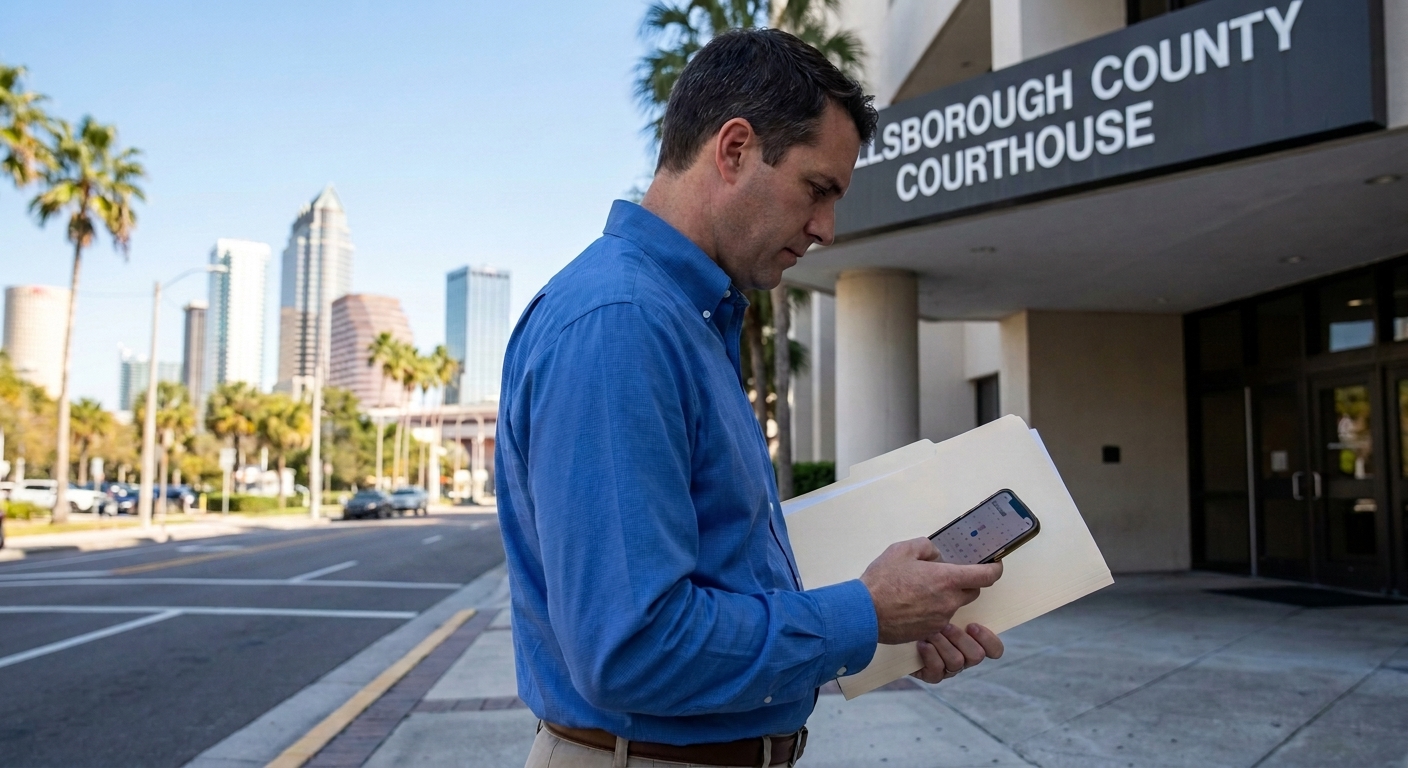
If you're following the rules, prove it. Keep records of every check-in, every drug test, every court appearance. If you're ordered to attend counseling or community service, get signed proof. If there's a question later about your compliance, documentation is the only thing that matters.
What you should have on hand:
- Copies of your bail paperwork and conditions
- Proof of attendance at all required programs or appointments
- Receipts or logs showing compliance with monitoring requirements
- Any correspondence with pretrial services or your attorney
- Records of court appearances and case filings
Common Mistakes That Cost People
Some violations are obvious. Others sneak up on people who thought they were doing fine.
Thinking "Just This Once" Won't Matter
Skipping a check-in because you're busy. Texting someone you're not supposed to contact. Leaving town for a weekend without permission. Every single one of those can get you arrested. The court doesn't grade on effort or intent. They grade on compliance.
Ignoring Minor Conditions
Curfews feel arbitrary until you violate one and end up in handcuffs. Electronic monitoring seems like overkill until the GPS shows you somewhere you weren't supposed to be. Every condition exists for a reason, and every one carries weight.
Not Asking Questions
If you're unsure whether something violates your bail terms, ask your attorney. Don't guess. Don't assume. Don't ask people who aren't lawyers. One wrong move can undo everything, and "I didn't know" won't save you.
The Role Your Attorney Plays
Your defense attorney isn't just there for trial. They're your guide through the entire pretrial process. They'll help you understand your conditions, prepare for hearings, negotiate with prosecutors, and handle any issues that come up along the way.
A good attorney will also catch problems before they become violations. If a condition is unclear or conflicts with your work schedule, they can petition the court for modifications. If you're struggling to comply, they can advocate for adjustments. But they can't help if you don't communicate.
Here's what they can do for you:
- Clarify what your bail conditions actually mean
- Request modifications if conditions are unreasonable or impossible to meet
- Represent you at violation hearings if issues arise
- Prepare your defense and negotiate plea deals
- Keep you informed about case developments and deadlines
What Comes Next
Bail isn't freedom — it's conditional release with strings attached. The court gave you a chance to stay out while your case moves forward, but that chance evaporates the moment you stop holding up your end. Learning about the bail process in Tampa helps you understand your obligations from the start. Every condition, every court date, every restriction matters. When you need help navigating bail after an arrest in Hillsborough County, working with experienced Tampa bail bond agents can make the difference. If you're wondering about bailing someone out on the weekend or need 24/7 bail bonds in Tampa, knowing your options helps you act fast. Treat them like the legal obligations they are, and you'll stay out. Treat them like suggestions, and you'll be back inside before you know it.
Let’s Take the Next Step Together
Staying on top of your bail conditions can feel overwhelming, but you don’t have to handle it alone. We’re here to answer your questions, guide you through the process, and help you avoid costly mistakes. If you or a loved one needs support after release, let’s talk it through—call us at 813-626-1901 or schedule an appointment and we’ll help you move forward with confidence.
‹ Back
Recent Posts
-
Can You Change Bail Bond Companies After an Arrest in Valrico?
October 19, 2026
-
Why Would a Judge Deny Bail in Valrico?
October 5, 2026
-
Can You Use a Bail Bondsman in Valrico for a Misdemeanor Arrest?
September 21, 2026
-
Can a Bail Bond in Brandon Be Revoked After Release?
September 7, 2026
-
Who Can Sign for a Bail Bond in Brandon?
August 24, 2026