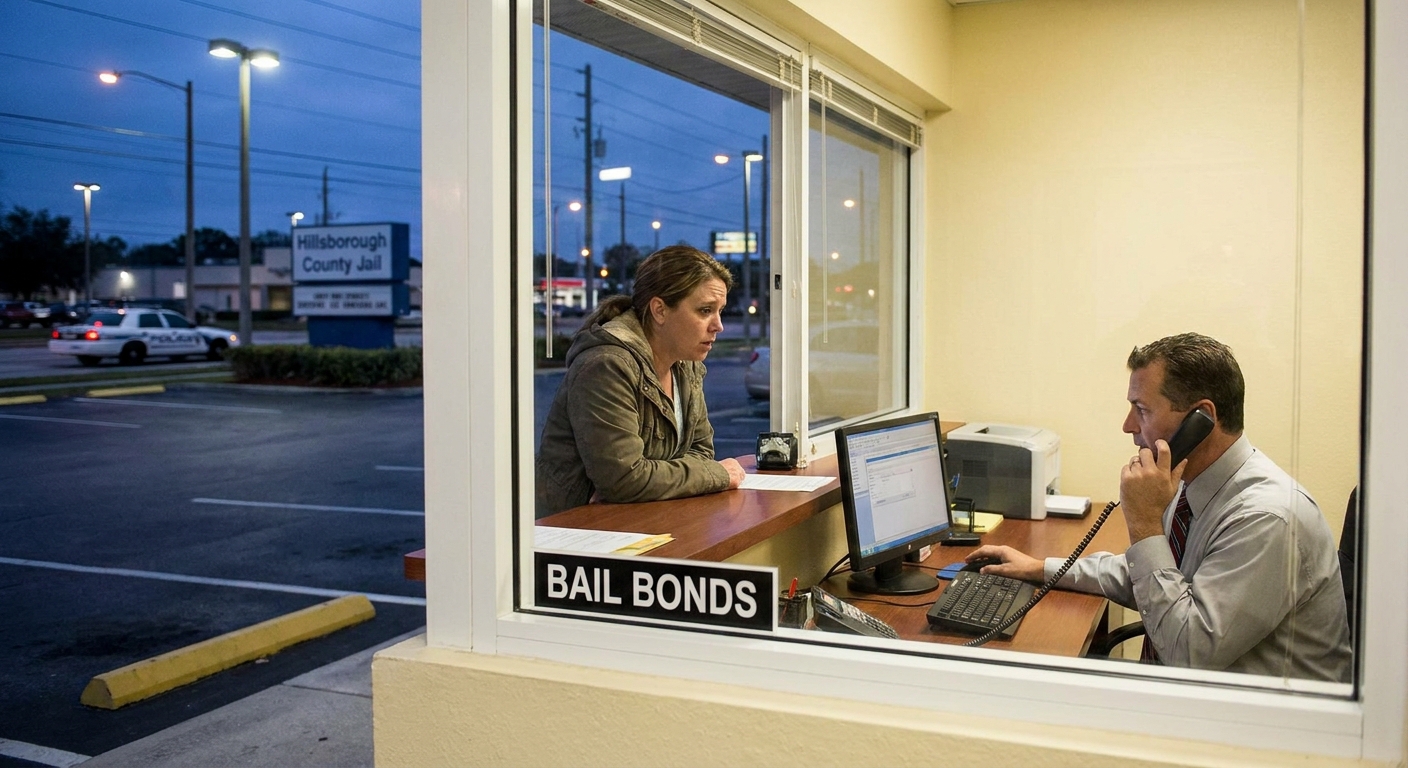

Why Would a Judge Deny Bail in Valrico?
Judges in Valrico don't deny bail to be difficult. They deny it because something in your case raises red flags the court can't ignore. Maybe it's the charge itself. Maybe it's what you did last time you were out on bond. Either way, bail isn't automatic — and if the state makes a strong enough argument, you're not walking out that courtroom door until trial.
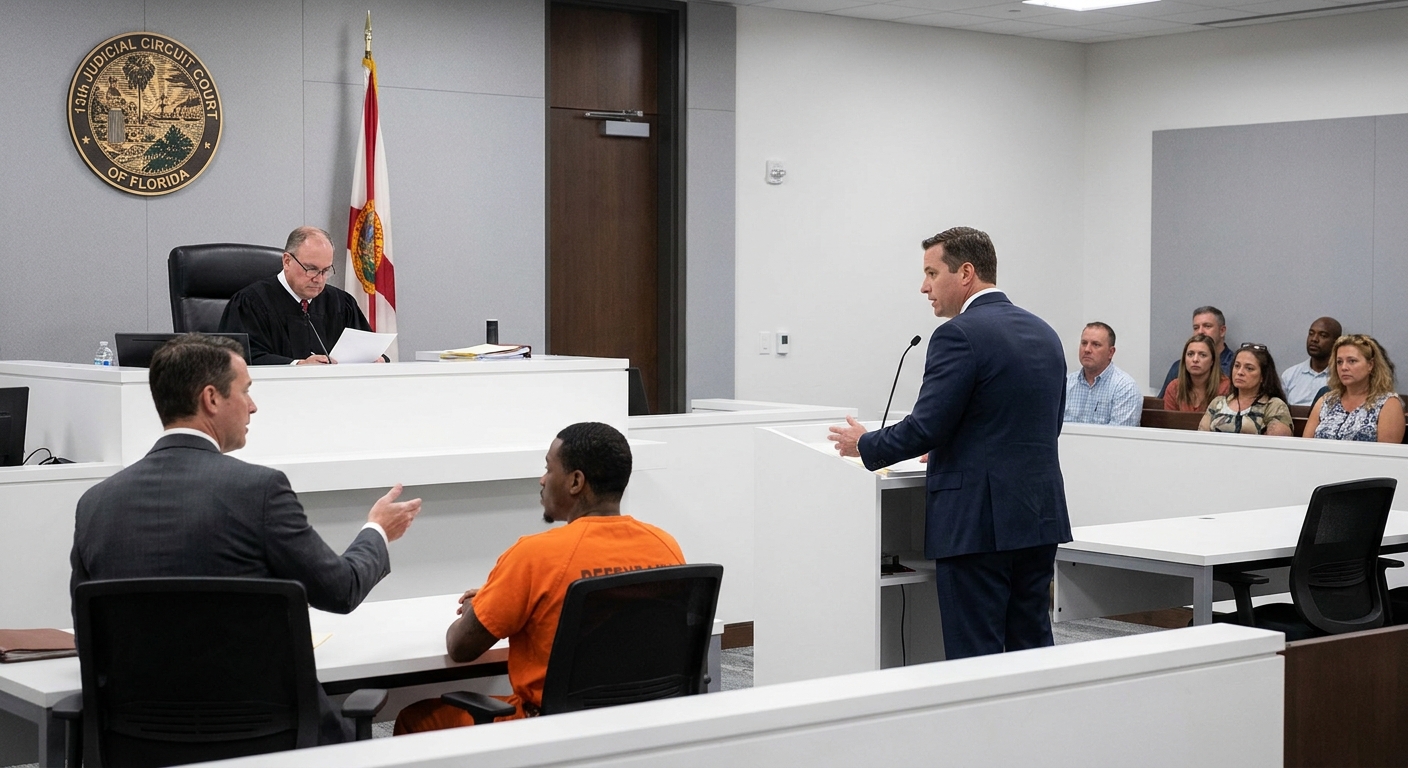
Most people assume bail is a given. It's not. Florida law gives judges wide discretion to decide whether releasing someone serves the interest of justice or puts the community at risk. And once bail is denied, getting that decision reversed takes more than hope. It takes documentation, legal strategy, and a clear understanding of what went wrong in the first place.
What Bail Is Really Meant to Do
Bail exists for one reason — to make sure you show up to court. It's not punishment, and it's not a reward. It's leverage. The system assumes that if you've got money or collateral on the line, you'll think twice about skipping town. The judge's job is to balance your freedom against the risk you pose — to the case, to witnesses, and to public safety.
When that balance tips too far in the wrong direction, bail gets denied. And in Valrico, like everywhere else in Florida, the decision hinges on how the judge weighs the evidence, your history, and what the prosecution argues.
When the Charge Alone Kills Your Chances
Certain charges carry so much weight that bail becomes almost impossible to secure. Capital offenses — like first-degree murder — fall into this category. If the evidence against you is strong and the potential sentence is life or death, the court isn't going to take chances. The reasoning is simple: the worse the penalty, the higher the incentive to disappear.
Even charges below that threshold can trigger denial if they involve serious violence, repeat behavior, or significant harm. The state will argue that the nature of the crime alone justifies keeping you locked up. And unless your attorney can counter that narrative with something compelling, the judge will likely agree.
Flight Risk Isn't Just About Plane Tickets
You don't need a passport and a one-way ticket to be considered a flight risk. The court looks at whether you have roots — family, employment, property, stability. If those ties are weak or nonexistent, the assumption is that you'll bolt. Previous failures to appear in court make it worse. So does any indication you've been planning to leave, even if it's just talk.
Judges also consider financial resources. If you've got the means to disappear and start over somewhere else, that's a strike against you. The goal here is predictability. If the court can't predict you'll show up, they won't gamble on your release.
Public Safety Concerns Shut the Door Fast
If the state convinces the judge that releasing you puts someone in danger, bail is off the table. This comes up most often in domestic violence cases, stalking charges, or situations where there are credible threats against victims or witnesses. The court won't take the risk, even if you promise to stay away.
Community safety plays a role too. Violent offenses, especially those involving weapons or repeat behavior, raise concerns that you'll commit another crime while out on bail. The judge doesn't need proof beyond a reasonable doubt — just enough reason to believe the risk is real.
Your Record Speaks Louder Than Your Lawyer
Prior convictions matter. Prior failures to appear matter even more. If you've been released on bail before and violated the terms — whether by committing new crimes, skipping court, or contacting people you weren't supposed to — the judge will remember. Or the prosecutor will remind them.
Repeat offenders face an uphill battle when it comes to bail. The court's logic is straightforward: if previous leniency didn't work, why would this time be different? Your attorney will need to show concrete changes — employment, treatment, community ties — to counter that presumption.
Obstruction of Justice Is a Non-Starter
If there's any indication you might tamper with evidence, intimidate witnesses, or otherwise interfere with the case, the judge will shut down bail immediately. This isn't speculation — it's based on statements, behavior, or patterns that suggest you're a threat to the integrity of the proceedings.
We've seen this play out in cases where defendants made threats, destroyed evidence, or contacted witnesses after being told not to. Once that line is crossed, the court has little patience. Protecting the case becomes the priority, and your freedom takes a back seat.
How the Bail Hearing Actually Works
Bail hearings in Valrico happen fast — usually within a day or two of arrest. The judge reviews the arrest affidavit, your criminal history, and arguments from both sides. The prosecution will push for denial if they believe you're a risk. Your attorney will counter with evidence of stability, community ties, and reasons you're not a threat.
The hearing isn't a trial. The standard of proof is lower, and the judge has broad discretion. That means the outcome depends as much on presentation and credibility as it does on the facts themselves. If your side can't make a compelling case, bail gets denied.
What to Do When Bail Gets Denied
Denial isn't necessarily permanent. Your attorney can file a motion to reconsider, especially if circumstances change or new evidence surfaces. You also have the right to appeal the decision to a higher court, though that process takes time and doesn't guarantee a different result.
In the meantime, you're in custody. That makes it harder to prepare your defense, maintain employment, and support your family. It also puts pressure on you to accept plea deals you might otherwise reject. That's why fighting the denial — early and aggressively — matters so much.
Why You Need an Attorney Who Knows the System
Judges in Valrico hear bail arguments every day. They know the patterns, the excuses, and the strategies that don't work. If your attorney doesn't understand what moves the needle in that courtroom, you're at a disadvantage before the hearing even starts.
A defense lawyer who's handled these hearings can anticipate the state's arguments, present your ties to the community in a way that resonates, and challenge weak assertions about risk. They'll also know when to push for reconsideration and when to focus on other aspects of your defense.
- Prepare evidence of employment, housing, and family ties
- Challenge the prosecution's characterization of the charges
- Address any prior failures to appear with context and documentation
- Present mitigation factors the judge might not see in the file
- Know when to request a bond reduction instead of full release
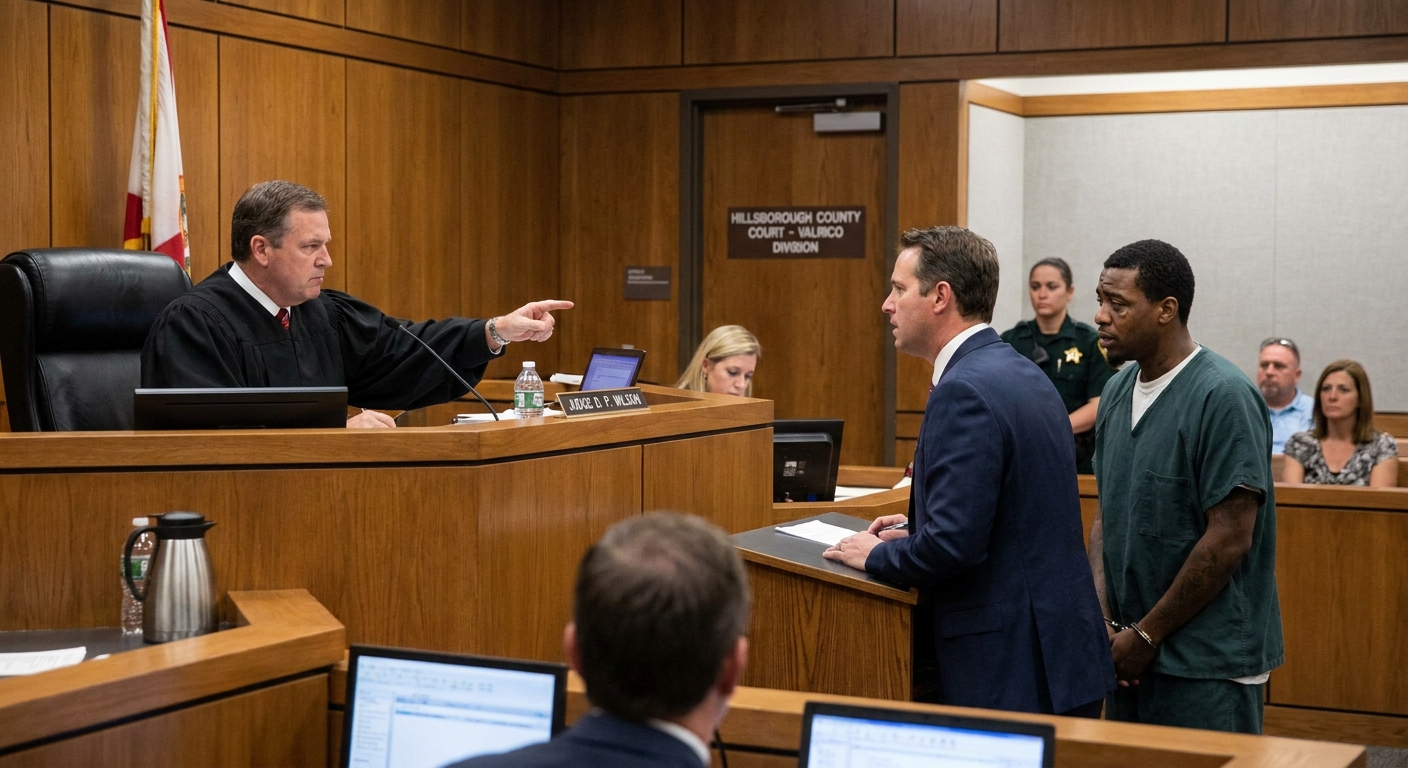
The Factors That Actually Tip the Scale
Not every bail denial is created equal. Some cases are borderline, and small details can make the difference. The judge might weigh whether you've been cooperative with law enforcement, whether you've already taken steps to address underlying issues, or whether releasing you would give you the chance to support dependents who rely on you.
None of that matters if your attorney doesn't bring it up. The burden is on the defense to present a full picture, and too many lawyers assume the judge will connect the dots on their own. They won't. Every mitigating factor needs to be spelled out, backed up, and framed in terms of what the court cares about.
- Stable housing arrangements that reduce flight risk
- Employment records showing consistent income and responsibility
- Family members willing to supervise or vouch for your behavior
- Enrollment in treatment programs or counseling
- Documentation of health issues that make detention particularly difficult
Denial Doesn't Mean the Fight Is Over
We've seen judges reverse bail denials when new information comes to light or when the defense makes a stronger showing the second time around. But that only happens when someone is actively working the case — filing motions, gathering evidence, and keeping the pressure on.
Sitting in jail waiting for your trial date is the worst possible strategy. Every day in custody weakens your position, makes it harder to participate in your defense, and increases the temptation to take a deal just to get out. Fighting the denial isn't just about freedom — it's about giving yourself the best chance at a favorable outcome down the line.
- File a motion for bond reconsideration with new supporting evidence
- Request a formal bail review hearing if circumstances have changed
- Appeal the denial to a higher court if legal errors were made
- Work with family to gather documentation the judge didn't see initially
- Maintain compliance with all jail rules to show you're not a behavioral risk
When the State Overreaches
Prosecutors don't always play fair when it comes to bail. They'll exaggerate risks, mischaracterize evidence, and paint you in the worst possible light — because keeping you in custody gives them leverage. A good defense attorney will call that out, challenge unsupported claims, and force the state to prove their assertions rather than just making them.
Sometimes the denial is based on outdated information or assumptions that don't hold up under scrutiny. Maybe your prior failure to appear was due to a miscommunication, not willful defiance. Maybe the alleged threat was taken out of context. These details matter, and they can shift the judge's perspective if they're presented correctly. Understanding bail in Florida can help you navigate what the court requires and how to address gaps in the state's argument.
- Challenge vague or unsupported claims about danger to the community
- Provide context for prior criminal history that the state leaves out
- Correct factual errors in the arrest affidavit or prosecution's argument
- Present character witnesses who can speak to your reliability
- Highlight any conditions you're willing to accept, like electronic monitoring
The Cost of Staying Silent
Bail denials don't fix themselves. If you don't push back, the court assumes the decision was correct and moves on. Your case proceeds with you behind bars, making it exponentially harder to prepare a defense, gather witnesses, or maintain the stability that might help at sentencing. Knowing what happens if bail is set too high can inform your next move when challenging the judge's ruling.
The attorneys who win these fights are the ones who treat the bail process as a critical battle, not a formality. They dig into the facts, build a narrative that counters the state's fearmongering, and refuse to let the court rely on assumptions. Whether you need a surety bond or are considering cash bail options, having experienced representation makes all the difference between walking out and sitting in a cell until trial — and in Valrico, that difference is everything.
Let’s Take the Next Step Together
When bail is denied, you don’t have to face the system alone. We know how stressful and urgent this situation feels, and we’re ready to help you fight for your freedom with the experience and determination your case deserves. If you’re ready to talk strategy or need answers fast, call us at 813-626-1901 or schedule an appointment so we can get started on your defense right away.
‹ Back
Recent Posts
-
Why Would a Judge Deny Bail in Valrico?
October 5, 2026
-
Can You Use a Bail Bondsman in Valrico for a Misdemeanor Arrest?
September 21, 2026
-
Can a Bail Bond in Brandon Be Revoked After Release?
September 7, 2026
-
Who Can Sign for a Bail Bond in Brandon?
August 24, 2026
-