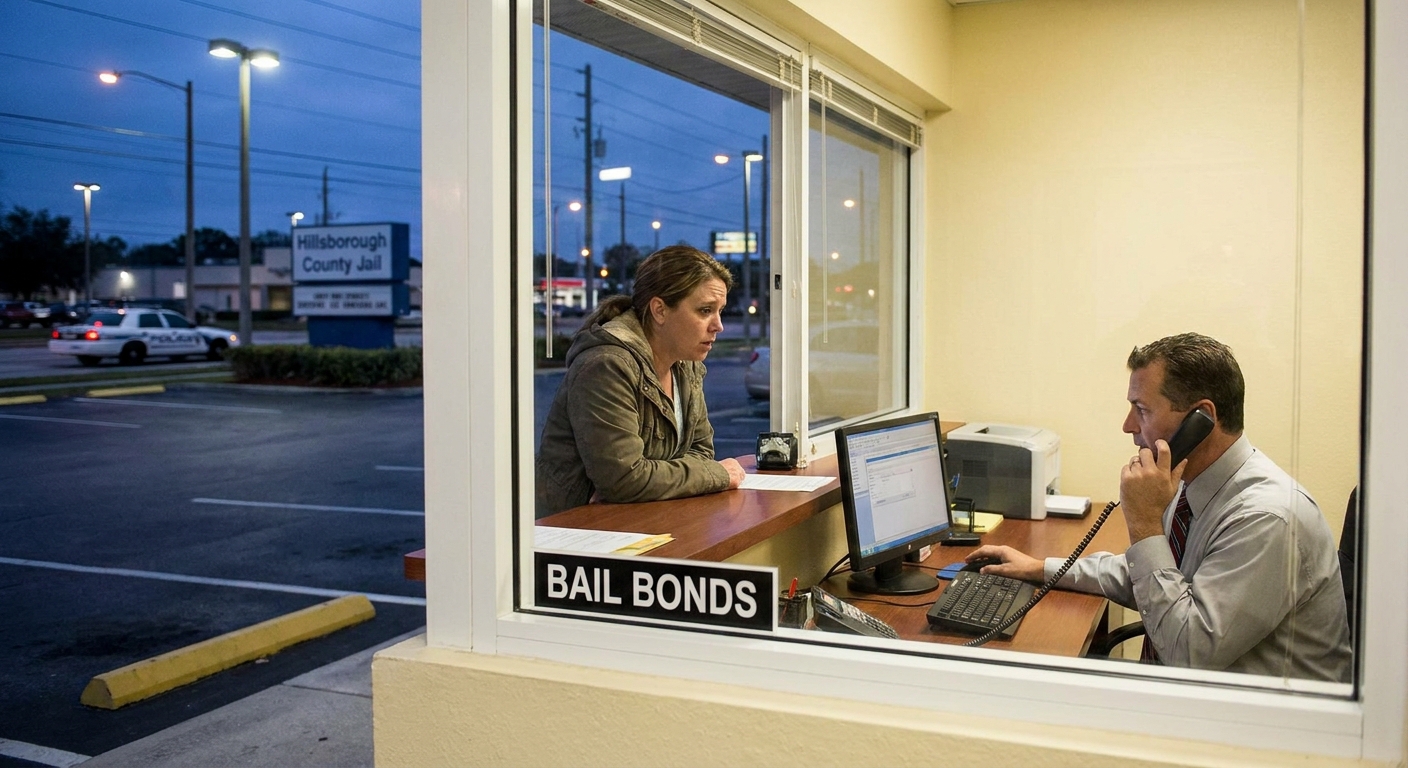

Who Can Sign for a Bail Bond in Brandon?
Posting bail isn't just about coming up with cash. It's about accountability. Someone has to vouch for the defendant — legally and financially — and that someone is called an indemnitor. In Brandon, Florida, bail bond agencies won't move forward without a qualified co-signer stepping up to guarantee the defendant will show up for court. Miss that detail, and the whole process grinds to a halt.
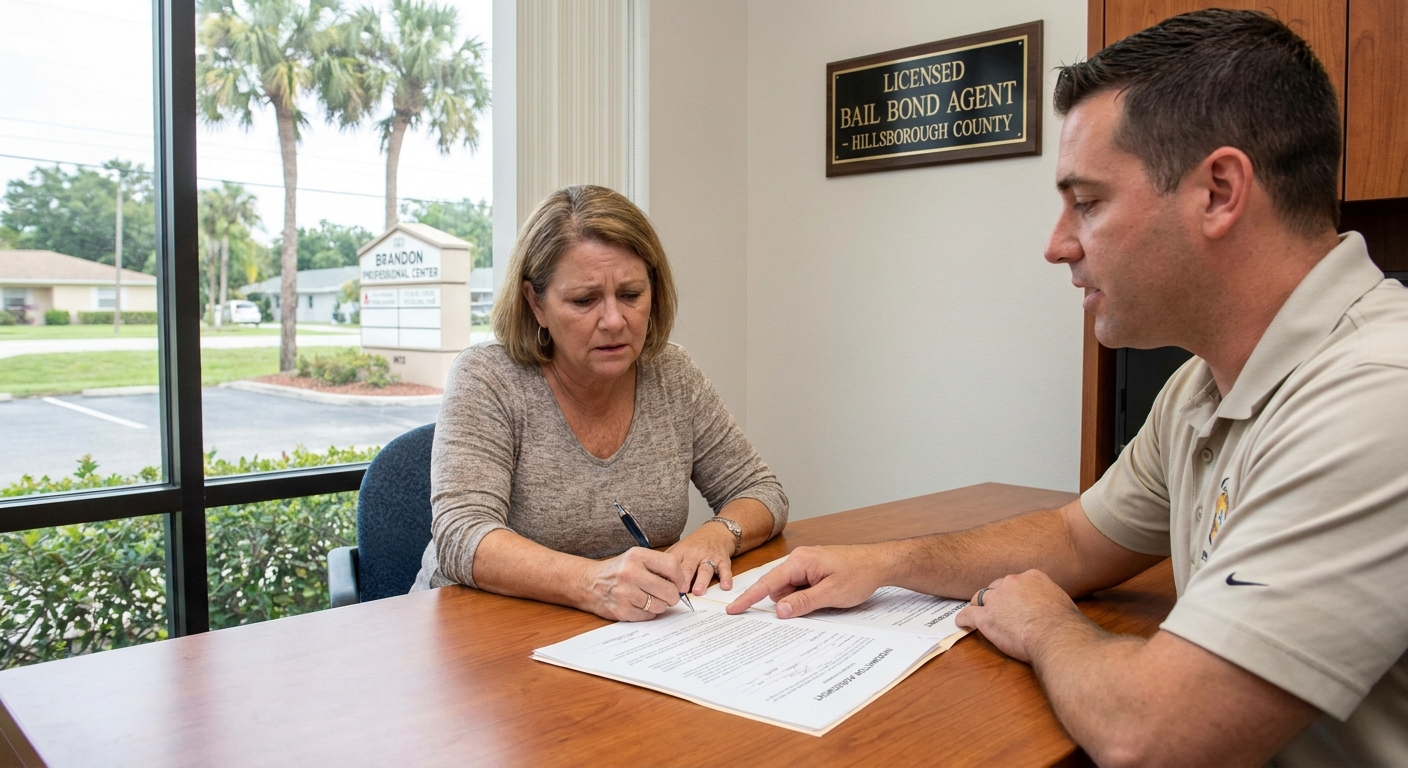
The person who signs isn't doing anyone a casual favor. They're putting their name on a contract that says if the defendant bails on court, they're liable. That means the full bail amount could land on their shoulders. So before anyone scribbles their signature, they better understand exactly what they're agreeing to — and whether they trust the person they're signing for.
The Role of the Co-Signer Matters More Than Most Realize
When a bail bond agent agrees to post bond, they're taking a calculated risk. The co-signer is their insurance policy. If the defendant vanishes or decides court isn't worth their time, the agency comes after the indemnitor. That's not a scare tactic — it's standard procedure. The co-signer agreed to cover the full bail amount plus any recovery costs if things go sideways.
Most people think signing means they're just helping someone get out of jail. That's half the story. The other half is accepting legal responsibility for someone else's decisions. If the defendant skips, the co-signer doesn't get to shrug and walk away. They're on the hook until the situation gets resolved, whether that means paying up or helping track down the defendant.
Family Members Are the Usual Suspects
When someone needs a co-signer, they typically turn to family first. Spouses, parents, siblings — these are the people who know the defendant best and have the most motivation to ensure they follow through. Bail bond agencies see family members as co-signers all the time because blood ties usually mean commitment.
But family involvement doesn't eliminate risk. Relationships can be complicated, and trust doesn't always translate to reliability. A parent might believe their child will show up for court, but belief doesn't pay the bills if they're wrong. Family members need to be just as cautious as anyone else before signing on the dotted line.
Friends and Employers Can Step In Too
Not everyone has family nearby or willing to help. That's where close friends come in. A trusted friend with confidence in the defendant's integrity can act as a co-signer, provided they meet the agency's requirements. It's less common than family, but it happens — especially when the friendship is solid and the stakes are clear.
Employers occasionally sign for employees they consider valuable. If losing a worker creates a genuine business problem, some employers are willing to take the risk. It's not charity — it's pragmatism. But even then, the employer needs to be sure the employee will honor their court dates. One bad call, and the company eats the cost.
What Bail Bond Agencies Expect from Co-Signers
Brandon bail bond agencies don't hand out approvals lightly. They have standards, and co-signers need to meet them. The goal is simple — minimize the agency's exposure by vetting the people who sign.
Here's what most agencies require:
- Legal adult status — you must be at least 18 years old
- Local residency — agencies prefer co-signers who live in the area and aren't planning to relocate
- Steady income or assets — proof that you can cover the bail if the defendant disappears
- Valid government-issued ID — driver's license, passport, or state ID
- Decent credit history — some agencies check credit to gauge reliability and financial health
The Financial and Legal Weight of the Agreement
Signing for a bail bond isn't symbolic. It's a binding contract with real consequences. The co-signer promises the defendant will appear in court. If that doesn't happen, the agency will demand payment for the full bail amount — not just the premium that was paid upfront.
Beyond the money, co-signers also take on logistical responsibilities. They're expected to stay in contact with the defendant, confirm court dates, and notify the agency if anything changes. If the defendant tries to run, the co-signer is supposed to alert the agency immediately. Ignoring those duties doesn't make the problem go away — it makes the financial hit worse.
Questions Every Co-Signer Should Answer First
Before anyone agrees to co-sign, they need to be honest with themselves. Trust is great, but it won't cover a six-figure bail if the defendant skips town. Here are the hard questions that matter:
- Do you genuinely believe this person will show up for every court date?
- Can you afford to pay the full bail amount if things go wrong?
- Are you prepared to deal with the bail bond agency if the defendant disappears?
- Do you have the time and energy to stay involved throughout the legal process?
- Are you comfortable with the risk, or are you signing out of guilt or pressure?
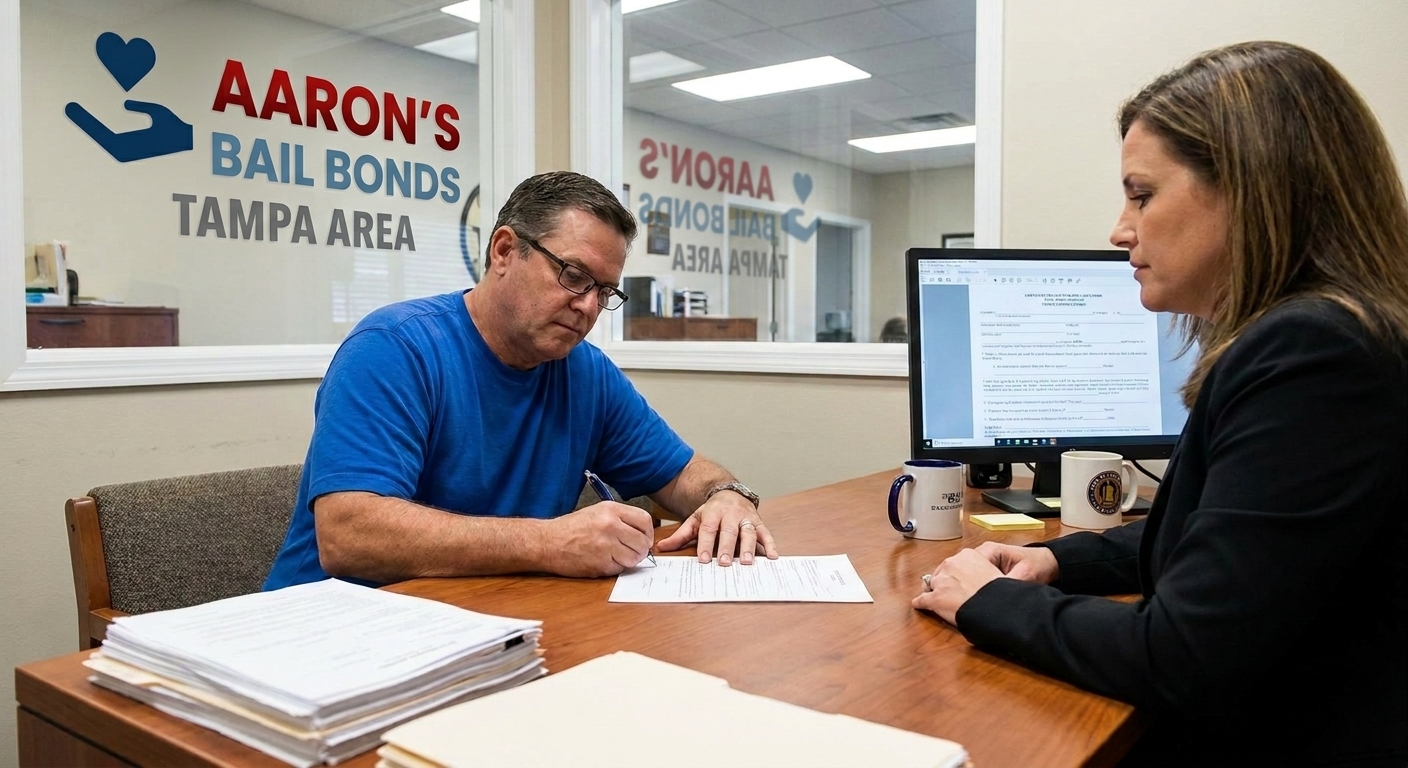
When Co-Signers Get Left Holding the Bag
Defendants who skip court create a mess for everyone involved. The bail bond agency activates recovery efforts, which can include hiring bounty hunters or pursuing legal action. Meanwhile, the co-signer gets hit with financial demands they may not be prepared to handle.
Some co-signers assume they can negotiate or delay payment. That's not how it works. The contract is clear, and agencies don't hesitate to pursue collection — including liens, wage garnishment, or lawsuits. The co-signer's credit takes a hit, their assets are at risk, and the stress piles up fast. It's not a scenario anyone wants to be in, which is why careful decision-making upfront is critical.
Who Shouldn't Sign Even If They Qualify
Just because someone can sign doesn't mean they should. If the relationship with the defendant is rocky, if trust is shaky, or if the co-signer can't afford the financial fallout, signing is a mistake. Pressure from family or friends doesn't change the reality of the contract.
Some people sign out of desperation or guilt. That's understandable, but it doesn't reduce the liability. If there's any doubt about the defendant's willingness to follow through, walking away is the smarter choice. Protecting your own financial security isn't selfish — it's necessary.
Working with the Right Bail Bond Agency
Not all bail bond agencies operate the same way. Some are transparent and supportive, walking co-signers through every detail. Others rush the process and leave people confused about what they've agreed to. Finding an agency that communicates clearly and respects the gravity of the situation makes a difference.
Co-signers should ask questions upfront:
- What happens if the defendant misses a court date?
- How does the agency handle payment plans if the co-signer can't cover the full amount immediately?
- What kind of communication can the co-signer expect throughout the process?
- Are there any additional fees or hidden costs?
Signing Smart Means Knowing What You're Getting Into
Bail bonds exist to give defendants a shot at freedom before trial. But that freedom comes with strings — and those strings are tied directly to the co-signer. In Brandon, anyone from family members to friends to employers can sign, as long as they meet the agency's standards. But meeting the standards doesn't mean it's the right move.
The smartest co-signers are the ones who go in with their eyes open. They trust the defendant, they understand the risks involved, and they're financially prepared to handle the worst-case scenario. Understanding the bail process helps ensure informed decisions are made. If any of those pieces are missing, it's worth reconsidering. Because once that signature goes down, there's no easy way to undo it.
Let’s Navigate the Bail Bond Process Together
We know how overwhelming it can feel when you’re asked to co-sign for a bail bond. That’s why we’re here to answer your questions and guide you every step of the way, so you can make the right decision for yourself and your loved one. If you’re ready to talk through your options or need immediate help, give us a call at 813-626-1901. When you’re ready to move forward, you can schedule an appointment and let’s get started together.
‹ Back
Recent Posts
-
Why Would a Judge Deny Bail in Valrico?
October 5, 2026
-
Can You Use a Bail Bondsman in Valrico for a Misdemeanor Arrest?
September 21, 2026
-
Can a Bail Bond in Brandon Be Revoked After Release?
September 7, 2026
-
Who Can Sign for a Bail Bond in Brandon?
August 24, 2026
-