

Can You Bail Someone Out Before Their First Court Hearing in Brandon?
Most people think bail happens after the judge weighs in. That's not always true. In Brandon, you can often post bail long before a courtroom gets involved — assuming the charge fits a preset schedule and the booking process wrapped up cleanly. But if the offense sits on the serious end or your loved one's background throws up red flags, you might be staring at a wait.
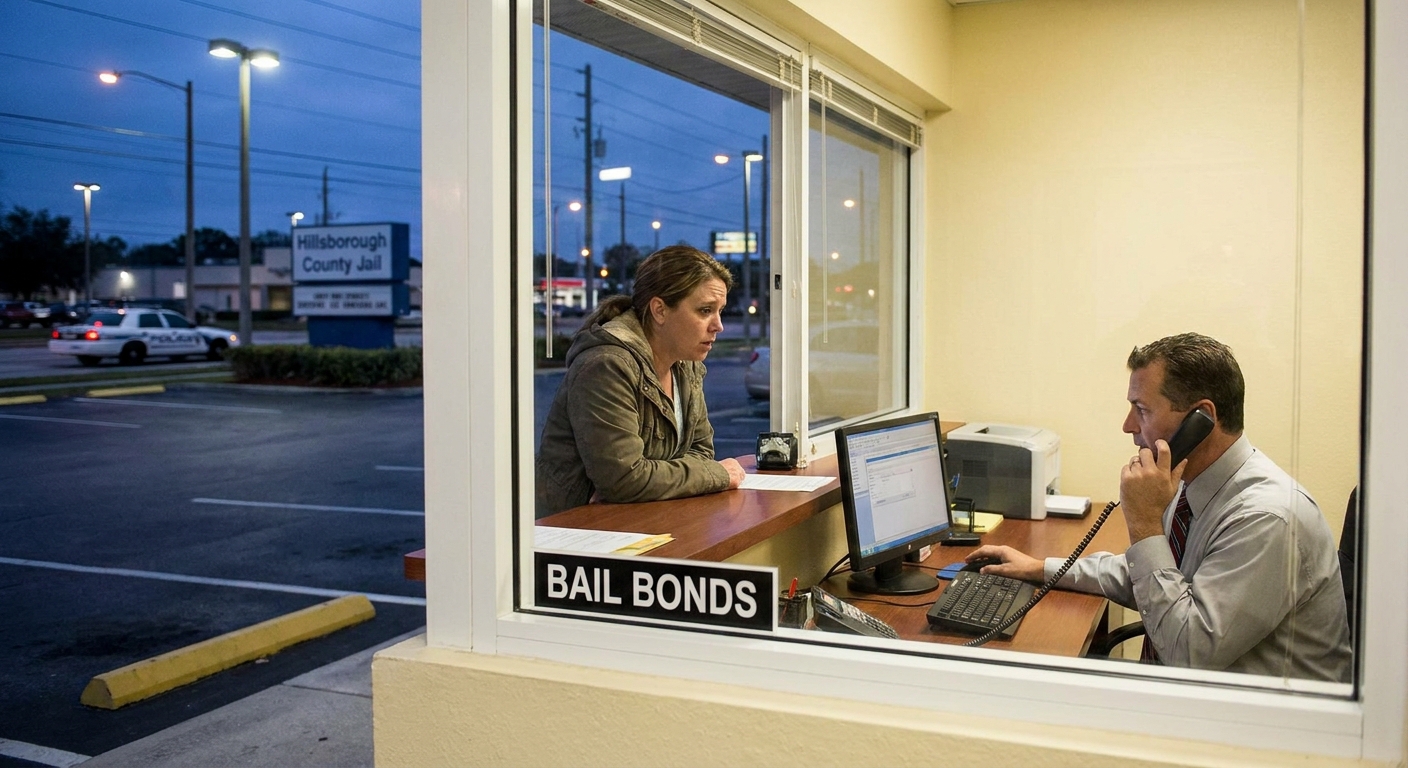
Here's what matters. The faster you understand how Hillsborough County handles bail, the faster you can move. Timing counts. Paperwork counts. And knowing when the system lets you act versus when it forces you to wait? That's the difference between hours in custody and days.
Booking Comes First, Then Everything Else
When someone gets arrested in Brandon, they head straight to Hillsborough County Jail. That's where the booking machine kicks in — fingerprints, mugshots, background checks, the whole routine. Until that process closes out, nothing moves forward. No bail. No release. No options.
Once booking wraps, the charges get logged and the system decides whether bail can be set immediately or if it needs a judge to step in. For most misdemeanors and plenty of felonies, there's a standard bail schedule already in place. That schedule tells you exactly what the number is without waiting for court. For everything else, you're stuck until the first appearance.
How the Bail Amount Gets Decided
Bail isn't random. Florida counties use preset schedules that list dollar amounts tied to specific charges. Shoplifting? DUI? Simple assault? There's a number already attached. You don't need a hearing. You don't need a judge's approval. The amount is there, and you can post it as soon as the jail processes the paperwork.
But when the charge carries weight — think aggravated battery, trafficking, anything violent — the schedule doesn't apply. A judge has to review the case, consider flight risk, evaluate community ties, and decide if bail makes sense at all. That means waiting for the first appearance, which usually happens within 24 hours of arrest.
Posting Bail Before the Judge Steps In
If the bail amount is already set, you can post it right away. No courtroom required. You can pay at the jail or work with a bondsman to get the process moving. Either way, your loved one walks out faster, gets back to work, and has time to meet with a lawyer before things heat up.
This is where most families gain ground. The sooner you post, the less disruption hits daily life. Jobs stay intact. Kids get picked up from school. Court prep starts on solid footing instead of from behind bars.
When the System Puts Bail on Hold
Not every arrest gets immediate bail. Some situations force you to wait for a judge, no matter how fast you move. Here's when that happens:
- Violent felonies or capital offenses require judicial review before bail gets considered
- Probation violations lock the person in until the court decides whether they violated terms
- Outstanding warrants from other jurisdictions can freeze the release process entirely
- Immigration holds or federal detainers override local bail authority
- Repeat offenses or prior failures to appear make judges hesitant to set any amount
Your Options for Covering the Amount
Once bail is set, you've got a few ways to handle it. Each comes with trade-offs, and none of them are free. The key is knowing which route works for your situation and how fast you need to move.
- Cash bail means paying the full amount upfront, which you get back minus fees once the case closes
- Bail bonds let you pay a bondsman 10% of the total, but that fee is gone for good
- Property bonds use real estate as collateral, though the process drags and requires court approval
- Surety bonds involve a third party guaranteeing the amount if the accused skips court
- Release on recognizance skips bail entirely but only applies to low-level charges with strong community ties
What Follows the Release
Posting bail doesn't close the case. It opens a new responsibility. The accused must show up for every court date, follow any conditions the judge imposed, and avoid new arrests. Miss a hearing? The bail gets forfeited. Commit another offense? The judge can revoke bail and issue a bench warrant.
That's why tracking court dates isn't optional. Set reminders. Talk to the attorney. Keep communication lines open. The system doesn't send courtesy calls when you're about to blow a date.
Where Families Trip Up
Most people scramble when an arrest happens. That's understandable. But panic leads to mistakes, and those mistakes cost time, money, or both. Here's where things usually go sideways:
- Waiting too long to call a bondsman or check the bail schedule
- Assuming bail is automatic when the charge actually requires a judge
- Mixing up the jail's release process with the court's scheduling system
- Not understanding that bail gets refunded only if you post cash, not through a bondsman
- Ignoring court conditions or failing to track hearing dates after release
When You Need a Bondsman
If the bail amount sits beyond your cash reach, a bondsman becomes the fastest route. They post the full amount in exchange for a percentage up front. You lose that fee no matter how the case shakes out, but you gain immediate release and breathing room to build a defense.
Bondsmen also handle the jail paperwork, coordinate with the courts, and make sure the release happens as soon as the system allows. For families unfamiliar with the process, that expertise cuts through confusion and speeds everything up.
The Court Appearance Still Happens
Posting bail doesn't erase the charges. It buys time and freedom while the case moves forward. The first appearance still happens, usually within a day or two of arrest. That's when the judge formally reads the charges, confirms bail, and sets the next court date.
If you posted bail before that hearing, the judge will acknowledge it and move forward. If bail wasn't available yet, that's when the amount gets decided. Either way, the legal process keeps rolling, and missing any step can undo the progress you just made.
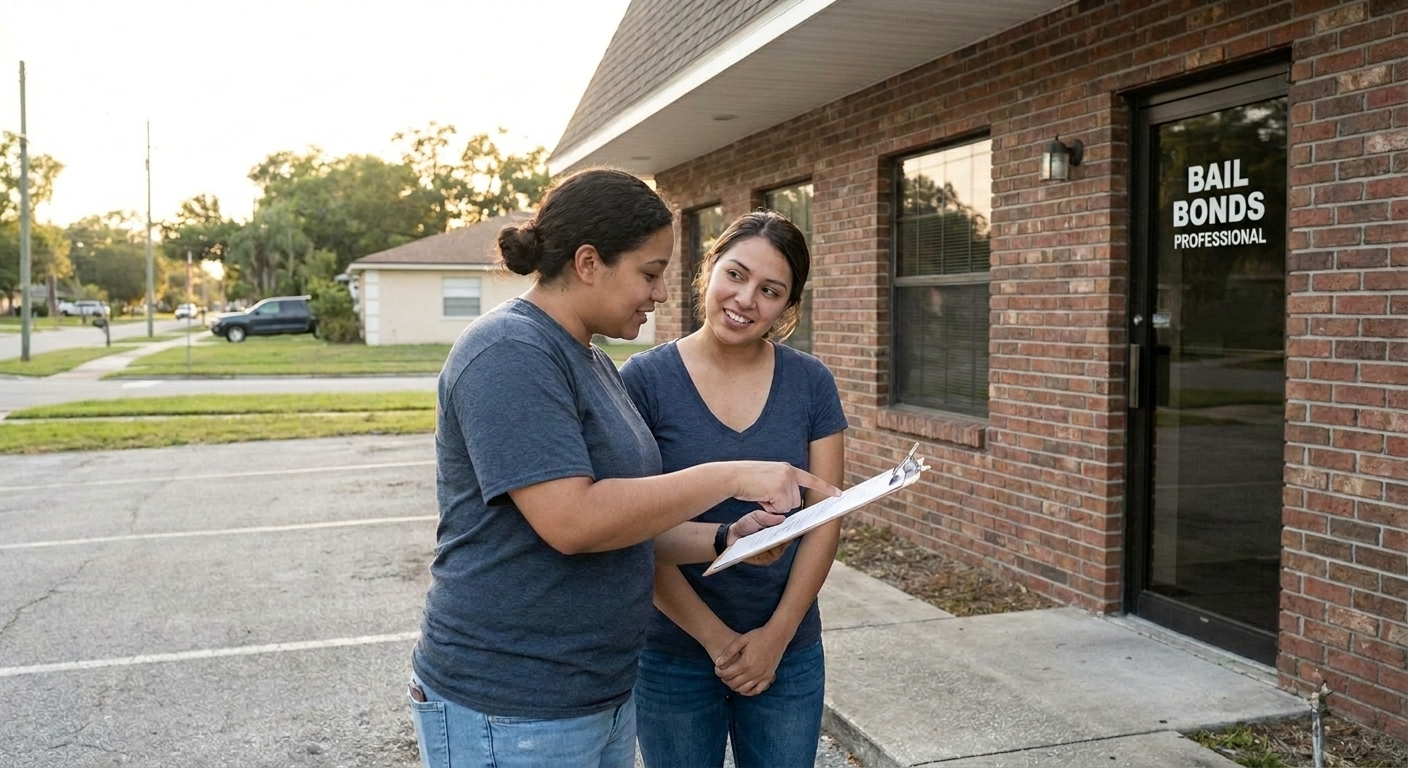
Documentation Backs Up Every Move
Whether you post cash or work with a bondsman, keep every receipt, every signed agreement, every court notice. The system doesn't hand out second chances when paperwork goes missing. If the bail gets refunded, you'll need proof you posted it. If a hearing gets missed, you'll need documentation showing you were never notified.
- Bail receipts confirm the amount paid and the date of posting
- Bondsman agreements outline fees, conditions, and obligations
- Court notices list hearing dates, times, and required appearances
- Release paperwork shows the conditions imposed by the court
- Attorney correspondence tracks communication and legal strategy
Speed and Clarity Win the Day
Arrests throw families into chaos. The bail system doesn't care. It runs on schedules, rules, and paperwork. The families who move fastest — who call the jail, check the bail schedule, contact a bondsman, and track court dates — get their loved ones out soonest. Everyone else waits longer than they should, pays more than they planned, and struggles to catch up once the case picks up speed. Bail before the first hearing is possible in Brandon for most charges. But only if you know the system and act while the window's open.
Let’s Get Your Loved One Home Sooner
We know how stressful it is when someone you care about is behind bars, and every minute counts. Let’s work together to get answers fast and move through the bail process with confidence. If you have questions or need help posting bail before the first court hearing, call us at 813-626-1901. When you’re ready to take the next step, schedule an appointment and let’s bring your loved one home where they belong.
‹ Back
Recent Posts
-
Can You Use a Bail Bondsman in Valrico for a Misdemeanor Arrest?
September 21, 2026
-
Can a Bail Bond in Brandon Be Revoked After Release?
September 7, 2026
-
Who Can Sign for a Bail Bond in Brandon?
August 24, 2026
-
-

What Happens After Release on Bail in Tampa?
July 20, 2026