

Can You Change Bail Bond Companies After an Arrest in Valrico?
Most people think bail bonds are just about getting out of jail. Sign the papers, pay the fee, and you're done. But the bond company you choose becomes your legal partner — and if you don't vet them properly, you're stuck with whoever answered the phone first. Bail agreements aren't casual. They come with obligations, deadlines, and financial stakes that don't vanish just because you changed your mind.

So here's the reality. If you're working with a bond company that's unresponsive, unprofessional, or charging you fees that weren't disclosed upfront, that's a problem. Just don't assume you can walk away without consequences. Every bond has a paper trail. Every switch requires court approval. And every decision should be grounded in what's enforceable — not just what feels right in the moment.
When a Bond Company Isn't Just a Vendor
Once a bail bond company posts your bond, they're not just a service provider. They're financially liable if you miss court. That means they have skin in the game — and they're not going to release that liability without a fight or a formal process. The court doesn't care how unhappy you are with your bondsman. They care about who's guaranteeing your appearance.
If you want out of that contract, you'll need the original company to request exoneration from the court. That's the legal term for releasing them from the bond. And until that happens, you're locked in. No new company can step in while the old one is still on the hook. We've seen clients assume they can just switch — they can't. Not without clearing the first obligation.
What Switching Actually Involves
You can't ghost a bail bond company. If you want to make a change, there's a process — and it's not always smooth. The original company has to file a motion with the court to be removed from the bond. The court has to approve it. And during that window, you might end up back in custody until the new bond is posted.
Here's what that process typically looks like:
- Contact your current bail bond company and explain your intent to switch
- Request that they file for exoneration of the bond with the court
- Wait for court approval, which can take days or longer depending on the jurisdiction
- Coordinate with the new company to post a replacement bond immediately after exoneration
- Sign a new agreement and pay a new non-refundable fee
The Fee You Already Paid Isn't Coming Back
That 10% premium you handed over to the first company? Gone. Even if they were terrible. Even if you switch the next day. Bail bond fees are non-refundable by design. You're paying for the service of posting the bond, not for a guarantee that you'll like the experience.
And when you switch companies, you'll owe another fee to the new one. So if your bail was set at $10,000, you've now paid $1,000 to the first company and another $1,000 to the second. That's $2,000 out of pocket for the same bond. It's expensive to change your mind, and most people don't realize that until it's too late.
Court Approval Isn't Automatic
Don't assume the judge will just rubber-stamp the exoneration request. The court has to be convinced that releasing the original bond company won't interfere with your obligation to appear. If there's any indication you're a flight risk, or if the paperwork isn't filed correctly, the request can be denied.
And if the exoneration is denied, you're stuck. The original company stays on the bond, and you're still paying them — even if you hate working with them. That's why it's critical to have a legitimate reason for switching and to coordinate with both companies and your attorney before filing anything.
Why Most People Want to Switch
We've worked with clients who felt pressured, misled, or ignored by their original bail bond company. Some were charged fees that weren't disclosed upfront. Others couldn't get a callback when they had questions. A few realized too late that the company had a reputation for aggressive collection tactics or poor customer service.
Here are the most common red flags that drive people to switch:
- Unresponsive agents who don't return calls or emails
- Hidden fees or vague contract language
- Pressure to sign collateral agreements without explanation
- Unprofessional behavior or lack of transparency
- Better terms offered by a competitor after the fact
Timing Can Put You Back Behind Bars
Here's the part most people don't expect. When the original bond is exonerated, you're technically no longer released on bail. That means law enforcement can take you back into custody until the new bond is posted. If the new company isn't ready to move immediately, you could spend hours or even days back in jail.
That's why coordination is everything. The new company needs to be standing by with the paperwork and the funds ready to post the moment the court approves the exoneration. Any delay, and you're at risk of being re-arrested. It's not a clean handoff — it's a gap that has to be managed carefully.
What to Look for in a New Company
If you're serious about switching, don't just pick the next name you find online. Do the research you should have done the first time. Look for a company with a solid reputation in Valrico, transparent pricing, and a track record of actually showing up when clients need them.
Here's what separates a good bail bond company from a bad one:
- Clear, written fee structures with no surprise charges
- Licensed agents who are available 24/7
- Positive reviews from real clients, not just stock testimonials
- Willingness to explain the process and answer questions upfront
- Experience working with the local courts and legal system

When You Should Just Stay Put
Switching bail bond companies isn't always worth it. If you're already halfway through your case, or if the original company is doing their job even if they're not warm and fuzzy, it might make more sense to ride it out. The cost, the risk of re-arrest, and the hassle of coordinating with the court can outweigh the benefit of switching.
And if your only complaint is that you found a cheaper rate elsewhere, that's probably not enough to justify the process. You're going to pay a second fee anyway, so the savings disappear fast. Save your energy for bigger battles — like making sure you show up to court and stay compliant with the terms of your release.
Document Everything
If you're planning to switch, keep records of every interaction with your current company. Emails, texts, receipts, contract copies — all of it. If there's a dispute later, or if the court asks why you're requesting exoneration, you'll need proof. Vague complaints won't cut it. Show a pattern of poor service or contract violations, and you'll have a stronger case.
Here's what your documentation should include:
- Original bail bond agreement with all terms clearly outlined
- Records of payments made and fees charged
- Communication history with the bail bond company
- Any evidence of unprofessional conduct or contract breaches
- Written confirmation from the new company that they're ready to post bond immediately
Legal Counsel Matters More Than You Think
Before you make any moves, talk to your attorney. They'll know whether switching is realistic given your case timeline, the court's tendencies, and the specific terms of your bond. They can also help you avoid mistakes that could jeopardize your release or create new legal headaches.
Your lawyer can also communicate directly with both bail bond companies and the court, which can speed up the process and reduce the risk of miscommunication. Don't try to navigate this alone. The stakes are too high, and the process is too specific to wing it.
Switching Isn't Freedom, It's Risk Management
Changing bail bond companies after an arrest in Valrico is possible — but it's not simple, and it's not cheap. You're looking at double fees, court approval, potential re-arrest, and a process that can take longer than you'd expect. If the company you're working with is truly problematic, it might be worth it. But if it's just buyer's remorse, think twice before pulling the trigger. The bond you have is better than the bond you're waiting on — especially if that wait happens from inside a cell.
Let’s Navigate Your Bail Bond Options Together
Switching bail bond companies is a big decision, and you shouldn’t have to face it alone. We’re here to answer your questions, explain your options, and help you make the right move for your situation. If you’re ready to talk it through, give us a call at 813-626-1901 or schedule an appointment so we can help you move forward with confidence.
‹ Back
Recent Posts
-
Can You Change Bail Bond Companies After an Arrest in Valrico?
October 19, 2026
-

Why Would a Judge Deny Bail in Valrico?
October 5, 2026
-
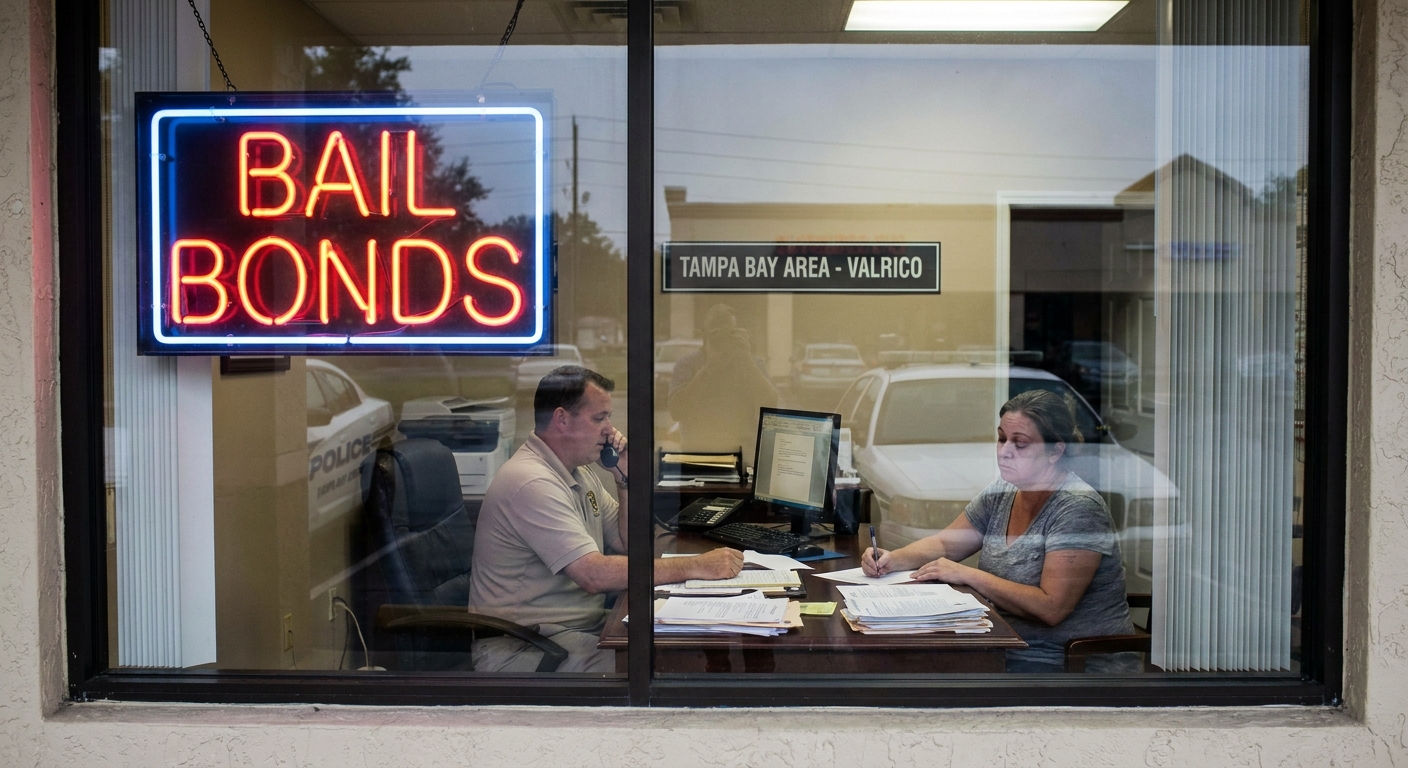
Can You Use a Bail Bondsman in Valrico for a Misdemeanor Arrest?
September 21, 2026
-
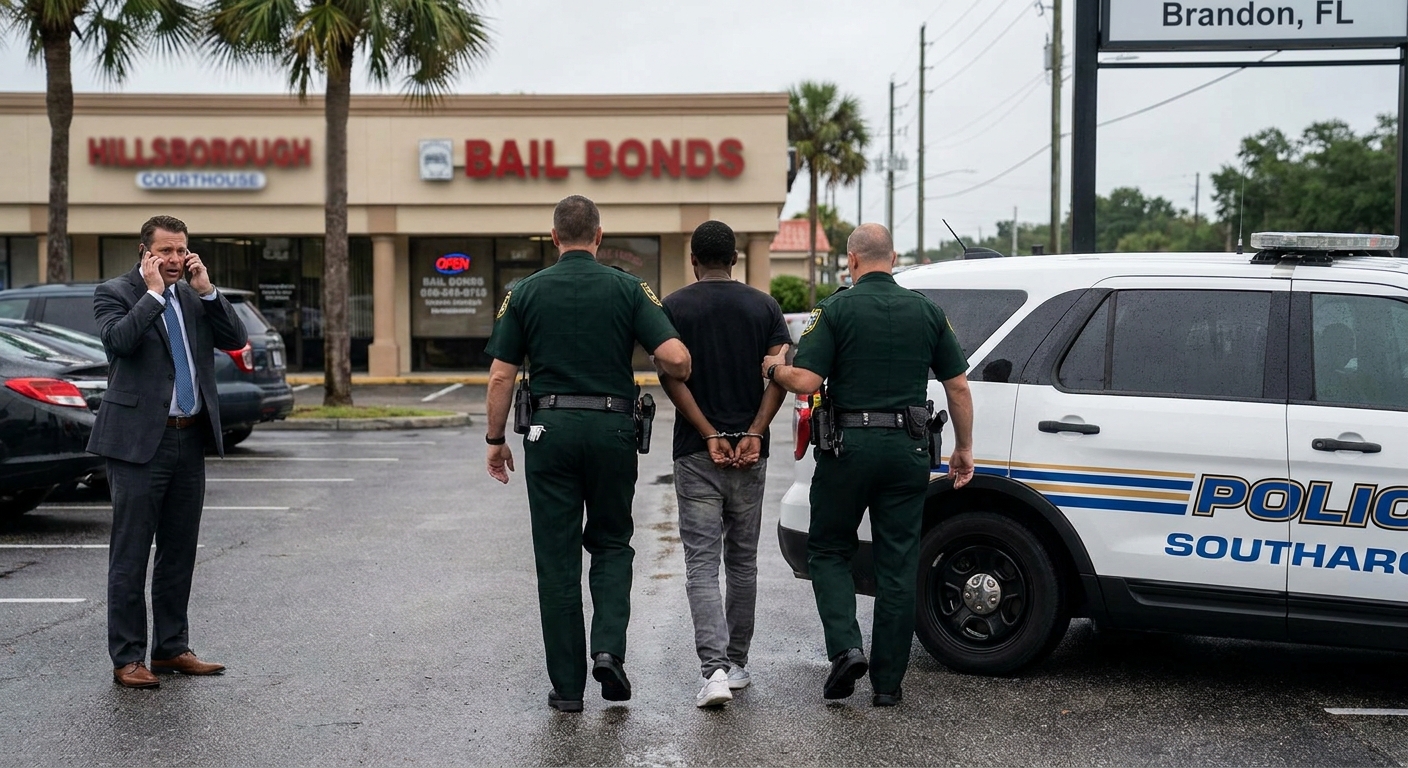
Can a Bail Bond in Brandon Be Revoked After Release?
September 7, 2026
-
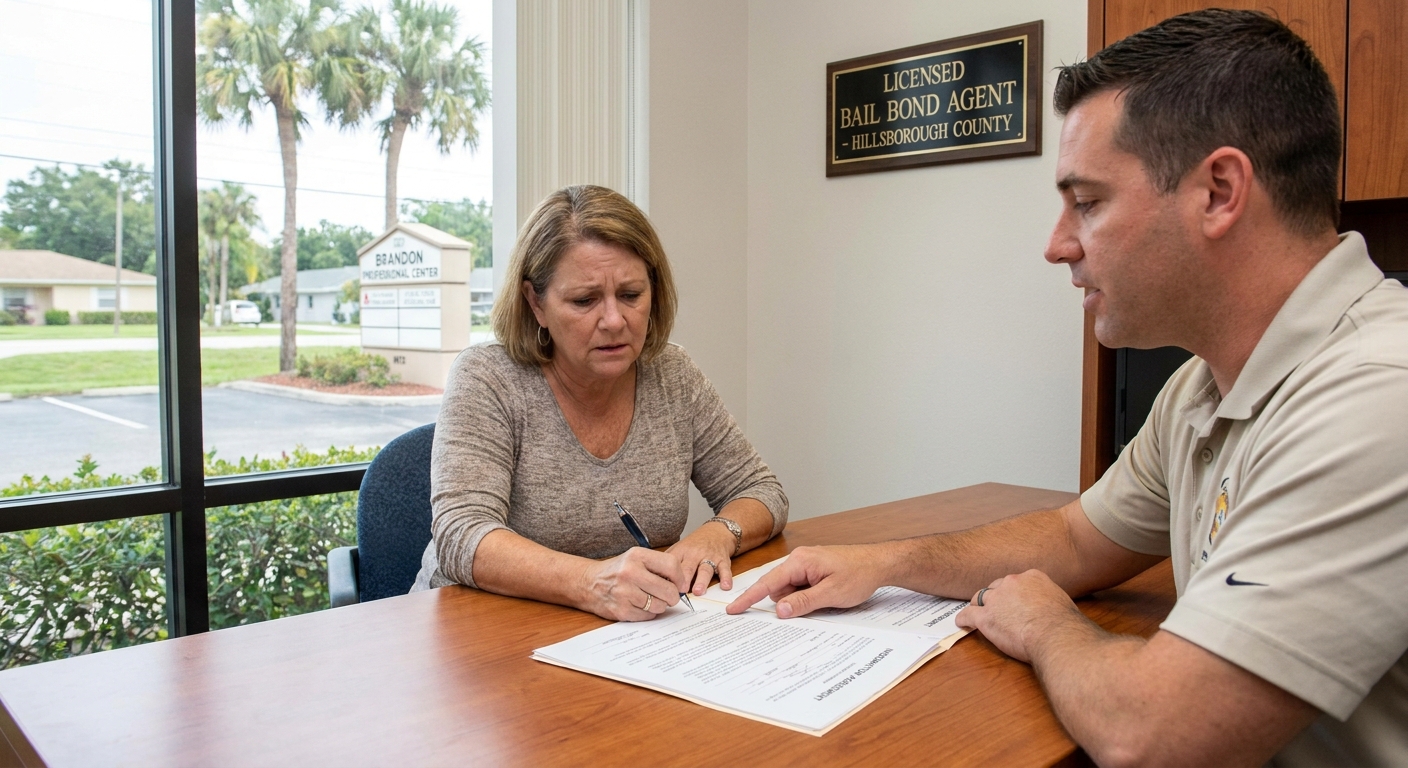
Who Can Sign for a Bail Bond in Brandon?
August 24, 2026