

How to Bail Someone Out in Tampa Without Going to the Jail
Most people think bail requires showing up at a jail facility with cash in hand. It doesn't. The process has moved beyond waiting rooms and thick glass windows. If someone you care about gets arrested in Tampa, you can handle the release without ever stepping foot on jail property. Technology and experienced bail bond professionals have made remote posting not just possible—but standard.
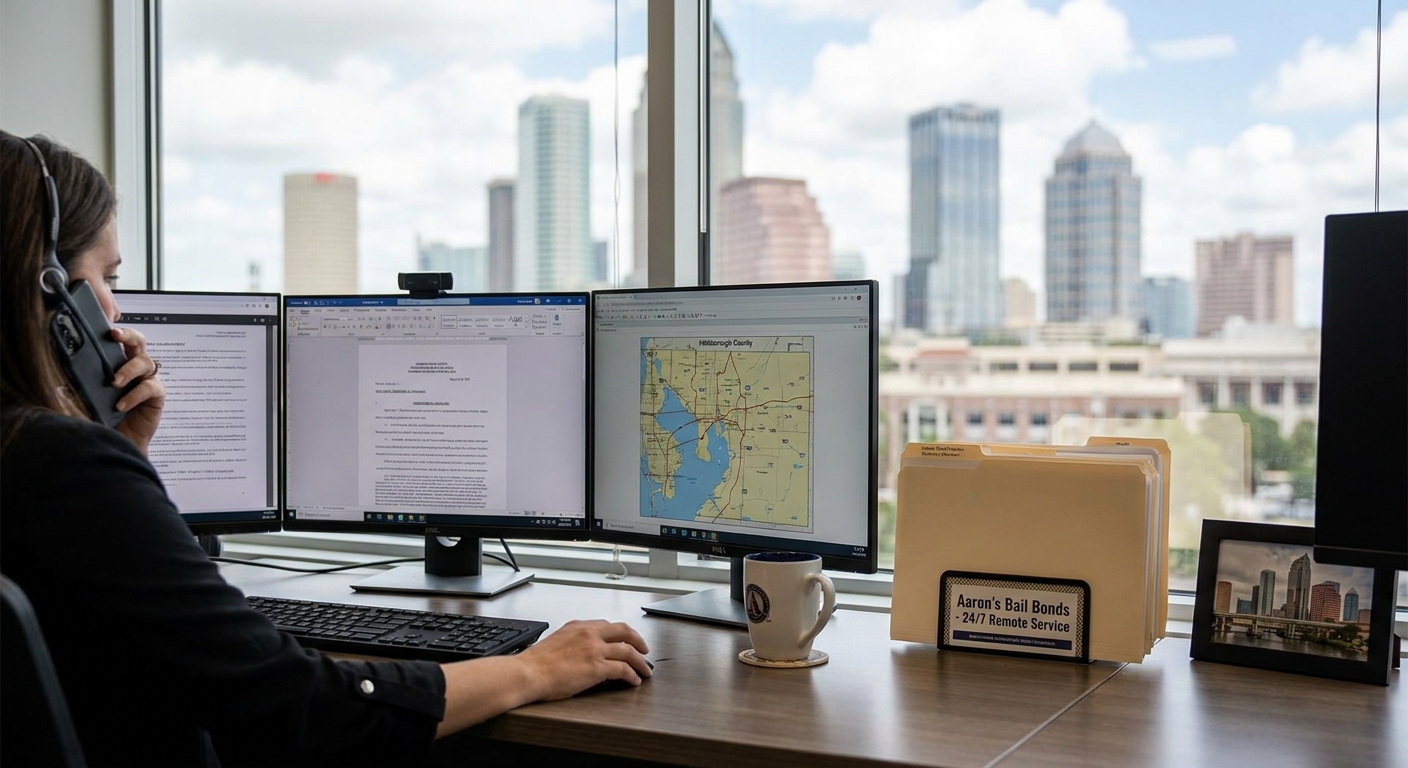
The key is knowing what to gather, who to call, and how to move fast. Every hour counts when someone's locked up. But rushing in without a plan wastes time and creates confusion. Here's how to get it done cleanly, quickly, and from wherever you are.
What Actually Happens After an Arrest
When someone gets booked into Hillsborough County Jail, they're processed and assigned a bail amount by a judge. That number depends on the charge, prior history, and flight risk. Bail isn't punishment—it's collateral. Pay it, and they walk. Miss court, and that money disappears.
If you can't front the full amount, that's where a bondsman comes in. You pay a percentage—usually around ten percent—and the bondsman covers the rest. The fee is non-refundable, but it beats draining savings or waiting weeks for a hearing. Just make sure the person shows up to court, or you're liable for the full bail.
Start With the Right Information
You can't post bail without knowing who you're bailing out. That sounds obvious, but plenty of people call bondsmen with half the details and wonder why nothing moves. You need the full legal name, date of birth, booking number if available, and what charges were filed. Without those, the process stalls.
Most of that information is public. The Hillsborough County Sheriff's Office runs an online arrest inquiry tool that updates regularly. If the system doesn't show anything yet, call the jail directly. They'll confirm whether the person's been processed and what the bail is set at.
Pick a Bondsman Who Works Remotely
Not all bail bond agencies operate the same way. Some still require in-person meetings. Others have streamlined everything online. Look for one with a solid reputation, clear pricing, and the ability to handle applications digitally. Reviews matter here—check Google, Yelp, or the Better Business Bureau.
When you reach out, they'll ask for the information you gathered and walk you through their process. A good bondsman will explain the fee structure, collateral requirements if any, and how long release typically takes. If they're vague or pushy, keep looking. This isn't a decision to rush through without clarity.
Fill Out Paperwork Without Leaving Your Couch
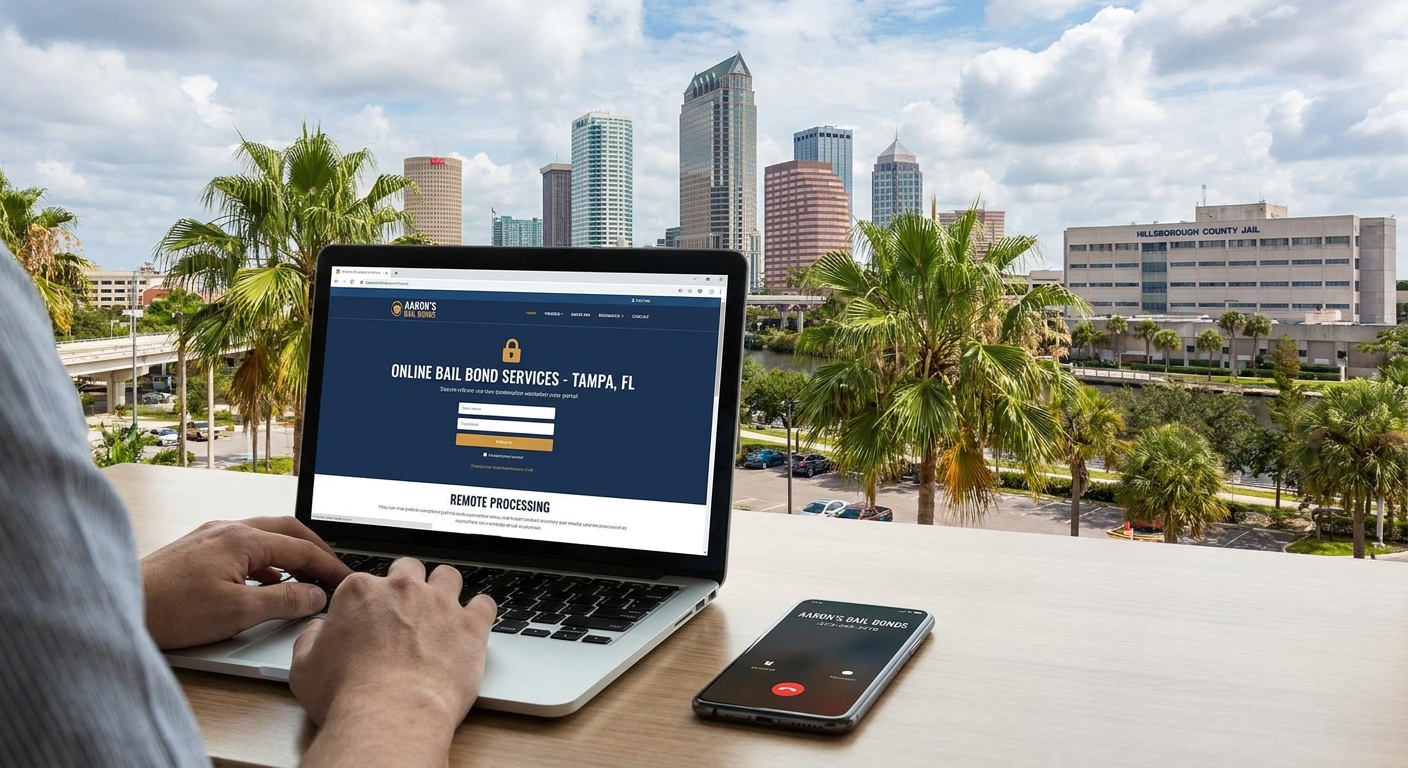
Once you've chosen a bondsman, they'll send you an application. Most agencies use secure online portals or email encrypted documents. You'll need to provide your ID, proof of income or employment, and sometimes collateral details depending on the bail amount. Everything can be signed electronically.
This step used to require meeting at an office or even the jail itself. Now it's handled in minutes from a phone or laptop. Just make sure you're using a secure connection—public WiFi isn't the move when you're uploading sensitive financial documents.
Payment Options That Skip the Trip
After paperwork's done, you'll pay the bond fee. Most agencies accept multiple methods to make it easy. Credit cards, debit cards, bank transfers, even apps like Venmo or Zelle in some cases. Once payment clears, the bondsman moves to the next step.
Keep records of every transaction. Screenshots, receipts, confirmation emails—all of it. If anything gets disputed later, you'll want proof that you paid what was agreed. And if you're using collateral, make sure the terms are spelled out in writing before you hand over property titles or other assets.
The Bondsman Handles the Jail Part
Once everything's signed and paid, the bondsman goes to the jail and posts the bond. You don't need to be there. They handle the paperwork, the wait times, and the back-and-forth with jail staff. Your job is done until the person walks out.
Release times vary. Some take a few hours, others stretch into half a day depending on how backed up the facility is. Your bondsman should keep you updated. If they go silent for hours with no explanation, that's a red flag. Communication matters, especially when someone's counting on you to get them out.
What Happens After Release
Once they're out, the real responsibility starts. Missing a court date isn't just a mistake—it's a legal disaster. The bond gets forfeited, a warrant gets issued, and you're on the hook for the full bail amount. Most bondsmen will send reminders about court dates, but don't rely on that alone.
Set your own calendar alerts. Confirm dates with the court clerk. If something changes—an address, a phone number, a lawyer—notify the bondsman immediately. They're not just a vendor. They're your partner in making sure this doesn't spiral into something worse.
Why Going Remote Makes Sense
Handling bail from a distance isn't just convenient—it's smarter. Here's why it works better than the old way.
- No wasted time sitting in a jail lobby waiting for your turn
- Paperwork moves faster when it's digital and automated
- You avoid the stress and discomfort of navigating a detention facility
- Agencies with online systems usually operate around the clock, so timing isn't a barrier
- Everything's documented electronically, which makes disputes easier to resolve
Common Mistakes That Slow Things Down
Even with a streamlined process, people still mess this up. Missing information is the biggest culprit. If you call a bondsman without a booking number or the correct spelling of a name, they can't move forward. Double-check everything before you pick up the phone.
Another mistake is waiting too long to act. Bail isn't something you shop around for leisurely. The longer someone sits in jail, the harder it is on them mentally and logistically. Jobs get lost. Kids need care. Bills don't pause. Speed matters, but so does accuracy.
When Collateral Becomes Part of the Deal
For higher bail amounts, bondsmen may require collateral—property, vehicles, or other assets. That's their insurance if the defendant skips. If you're putting up collateral, understand the terms completely. What happens if court dates are missed? How do you get it back? What condition does it need to be in?
Don't assume anything. Get it in writing. If a bondsman is vague about collateral terms, walk away. You're risking real assets here, and verbal promises mean nothing if things go sideways.
What to Look for in a Bail Bond Agency
Not every agency is worth your trust. The good ones are licensed, transparent, and easy to reach. Here's what separates professionals from opportunists.
- Clear fee structures with no hidden charges or surprise add-ons
- Online application systems that are secure and easy to navigate
- 24/7 availability with real people answering phones, not just voicemail
- Positive reviews from clients who actually completed the process
- Willingness to explain every step without pressuring you into decisions
Court Dates Are Non-Negotiable
Once bail is posted, the defendant has a legal obligation to appear in court. Miss that date, and the consequences are immediate. A bench warrant gets issued, the bond is forfeited, and the bondsman comes looking for their money—or your collateral.
This isn't optional. It's the deal. If there's a legitimate reason someone can't make it—medical emergency, car accident—contact the court and the bondsman immediately. Most judges will reschedule if you communicate early. Radio silence is what gets people in trouble.
Why Documentation Protects Everyone
Every piece of paper, every receipt, every text message—keep it all. If a dispute arises about what was agreed to or what was paid, documentation is your defense. Bondsmen deal with dozens of clients. Details blur. Your records won't.
Store everything digitally if possible. Email confirmations to yourself. Screenshot payment confirmations. Save signed contracts in a cloud folder. It's boring, but it's also the difference between resolving an issue in five minutes versus fighting it for months.
What Remote Bail Posting Can't Fix
Posting bail remotely works for the logistics. It doesn't fix the underlying legal problem. The defendant still has charges to face, a case to fight, and potentially a conviction to deal with. Bail buys time and freedom—it doesn't erase the arrest.
Make sure the person you're bailing out understands that. This isn't a get-out-of-jail-free card. It's a temporary release with serious strings attached. Missing court or violating conditions can make everything worse, and fast.
When to Call a Lawyer Alongside the Bondsman
If the charges are serious, don't just stop at bail. Get a criminal defense attorney involved early. They can advise on plea deals, court strategy, and what to expect at hearings. Bondsmen handle the release—lawyers handle the case. You need both if the stakes are high.
Some bondsmen work closely with attorneys and can make recommendations. Just make sure any referral is based on competence, not kickbacks. Ask around. Check reviews. The right lawyer can change the outcome entirely.
Why Speed and Accuracy Both Matter
Getting someone out of jail isn't a race to cut corners. It's a process that requires both urgency and precision. Move too slow, and they sit longer than necessary. Move too fast without checking details, and you create problems that take weeks to untangle.
The best approach is methodical but swift. Gather information correctly. Choose a bondsman carefully. Review every document before signing. Pay through secure channels. Then let the professionals handle the rest. That's how you get someone home without stepping into a jail—and without creating new headaches in the process.
Let’s Get Your Loved One Home—Fast
We know how stressful it is when someone you care about is behind bars, and we’re here to make the process as smooth and quick as possible. If you’re ready to take the next step or have questions about remote bail posting in Tampa, give us a call at 813-626-1901. When you’re ready to move forward, you can schedule an appointment and let us help you bring your loved one home without delay.
‹ Back
Recent Posts
-
How to Bail Someone Out in Tampa Without Going to the Jail
November 2, 2026
-
Can You Change Bail Bond Companies After an Arrest in Valrico?
October 19, 2026
-
Why Would a Judge Deny Bail in Valrico?
October 5, 2026
-
Can You Use a Bail Bondsman in Valrico for a Misdemeanor Arrest?
September 21, 2026
-
Can a Bail Bond in Brandon Be Revoked After Release?
September 7, 2026